▸ A good dog, a dead car, and a sun that doesn't care
Cujo: Stephen King’s Horror Novel With No Villain
| SUBJECT | Stephen King |
| PUBLISHED | CUJO (1981) |
| RUNTIME | 33:38 |
| STATUS | RABIES CONFIRMED · NO VILLAIN FOUND |
Stephen King has spent more than fifty years teaching people to be afraid of ordinary things. A hotel. A car. A telephone. An industrial laundry press, which is a genuinely upsetting thing to be scared of. He’s very good at finding the most boring object in the room and asking what happens if it wants you dead.
Cujo, published in 1981, is the book where he runs that trick all the way to the end of the track. There’s no ghost you can trust, no ancient evil, nothing from the enchanted forest. There’s a family dog and a car that won’t start. Everybody knows the name. Almost nobody defends the novel. I think it’s one of the bravest things King ever put on paper, and I think the reason it gets dismissed is the same reason it works: the horror in it has no villain, only indifference.
A note before we go on: this is a full-spoiler read, including the ending, which is the part of the book most worth arguing about. If you haven’t read it and want to go in clean, the video above stays lighter.
“Except that the monster never dies. Werewolf, vampire, ghoul, unnameable creature from the wastes. The monster never dies. It came to Castle Rock again in the summer of 1980.”
The dog in the dooryard
The origin of Cujo arrives in two pieces that have nothing to do with each other, and King told both of them to the Paris Review.
Piece one: in 1977 King was living in Bridgton, Maine, and his motorcycle was running badly. He heard about a mechanic in the rough country north of town, one of those setups with a farmhouse and an auto shop across the yard. He rode out there, and as he pulled in, the bike quit. Then the biggest Saint Bernard he’d ever seen came out of the garage and started toward him, growling. King weighed about 220 pounds at the time, and he figured he outweighed the dog by maybe ten. The mechanic said the thing people with terrifying dogs always say, that the dog does that to everybody. King put his hand out, the dog went for it, and the mechanic brought a steel socket wrench down on its hindquarters hard enough that it sounded, King said, like a rug beater hitting a rug. Then the man suggested the dog must not have liked King’s face.
What stuck with King was the geometry. He was in the middle of nowhere, on a machine that wouldn’t start, with no place to hide and no chance of outrunning the thing in front of him.
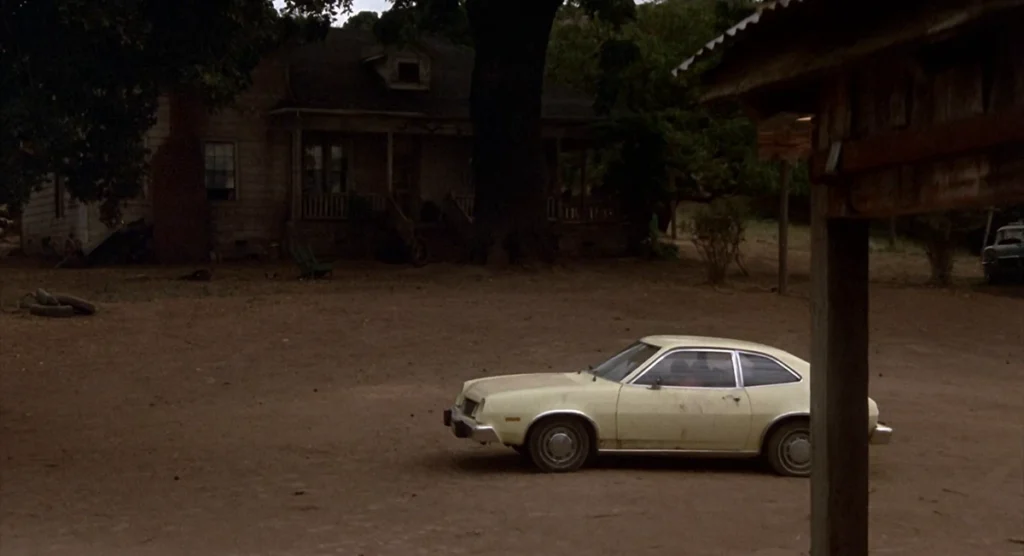
Piece two: when Doubleday bought Carrie, King and his wife spent the $2,500 advance on a Ford Pinto, the first new car they ever owned. It had a bad needle valve in the carburetor. The valve would stick, the carburetor would flood, and the car wouldn’t start, and King worried about his wife getting stranded in it. Weld those two anxieties together, a dead vehicle in a place you can’t walk out of and a fault nobody got around to fixing, and you have the whole novel.
My favorite detail is that this wasn’t the book King set out to write. In his first plan Donna gets bitten, and the horror is a mother fighting her own body to keep from attacking her four-year-old. He was seventy or eighty pages in before he found out the incubation period for rabies was far too long for that to work. So the disease moved to the dog. The novel we have, where the mother stays sane and helpless while the monster is outside, exists because of a fact-check. Somewhere there’s a version of Cujo where the monster is inside the car, and it’s fun to think about on a reread.
Then there’s the reputation problem. The last page of the novel is dated September 1977 to March 1981, and in On Writing King says there’s one novel he barely remembers writing at all, that he says so with no pride and no shame, only a vague sense of sorrow and loss. He later clarified to Netflix that he does remember writing it. What he doesn’t remember is revising it, because he did that at night and was, in his words, always drunk and stoned. That confession has done more damage to this book than any review. It gave readers permission to file Cujo under minor work and save it for after they’d run out of other King. I understand the impulse. I think you can see it’s wrong from the first page.
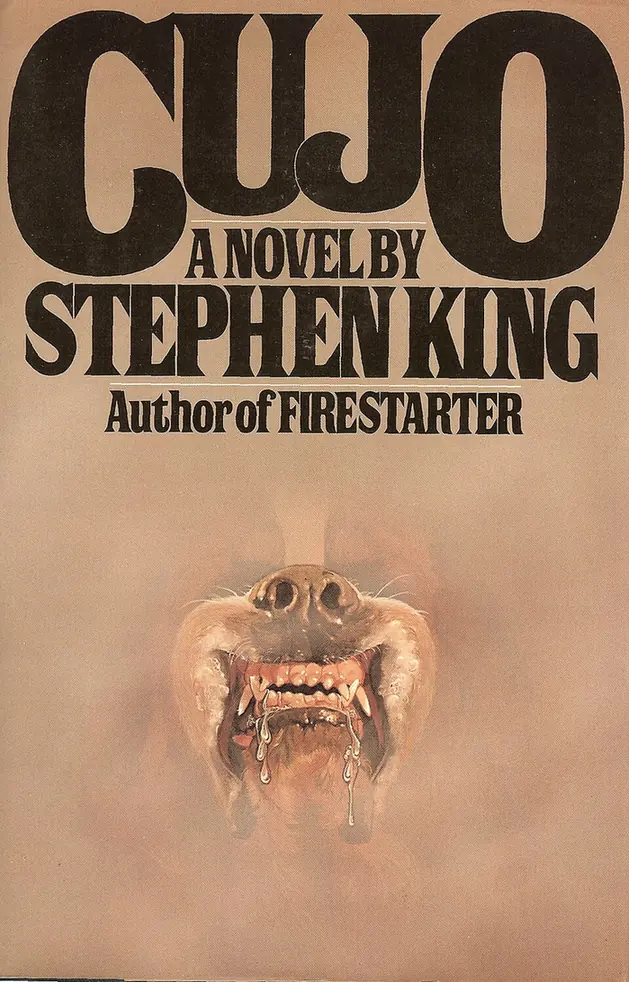
Viking published it on September 8, 1981. It went onto the bestseller lists and won the British Fantasy Award for Best Novel the next year, which isn’t usually what happens to a book nobody takes seriously.
What it’s about
Castle Rock, Maine, summer of 1980. The Trentons have recently moved up from New York. Vic runs a small advertising firm that’s about to lose its only significant client, and he has to leave town to try to save the account. His wife Donna is carrying the weight of an affair she’s already ended. Their son Tad is four, imaginative, and completely certain there’s something living in his closet.
Out on the edge of town, a mechanic named Joe Camber owns a Saint Bernard named Cujo. By everyone’s account, the narrator’s included, Cujo is a genuinely good dog: loving, patient, gentle with kids. Joe Camber isn’t what you’d call an attentive owner, and Cujo has never had a rabies shot. One morning the dog chases a rabbit into a small limestone cave. There are bats in the cave, and one of them bites him on the nose.
From there the novel runs two tracks at once: a good animal deteriorating into something the disease is rewriting, and the Trenton family drifting toward it. Donna takes the failing Pinto out to Camber’s garage while Vic is away. The car dies in the dooryard. And the dog is there.
One structural thing is easy to miss. Cujo has no chapters, no numbered breaks, no part divisions, only white space between scenes. It didn’t start that way. King told the Paris Review it was a standard novel in chapters when he wrote it, and the breaks came out later, because of what he wanted it to do to a reader:
“I can remember thinking that I wanted the book to feel like a brick that was heaved through your window at you.”
Stephen King, The Paris Review
A novel about a thing that won’t stop coming, with every exit removed from the reading experience. Critics praise that kind of formal move loudly when a literary novelist makes it. Here it shows up in a book about a dog, so nobody mentions it.
The monster never dies
Here’s what people forget: Cujo doesn’t open with the dog. It opens with a serial killer.
The first sentence is a fairy tale that goes wrong immediately: once upon a time, not so long ago, a monster came to the small town of Castle Rock, Maine. King lists the victims by name, women and a girl strangled over five years, and then tells you what the monster actually was.
“He was not werewolf, vampire, ghoul, or unnameable creature from the enchanted forest or from the snowy wastes; he was only a cop named Frank Dodd with mental and sexual problems.”
If you read The Dead Zone, that name lands. Frank Dodd is the Castle Rock Strangler, the deputy Johnny Smith exposed, who killed himself before anyone could take him in. King opens this novel by reaching back into an earlier one to remind you this town already had its monster, and its monster was a man with a badge. A neighbor. Then comes the passage at the top of this page: the monster never dies, and it came to Castle Rock again in the summer of 1980.
King spends a page training you to expect a supernatural boogeyman, and then he hands you a sick animal. The monster that arrives in 1980 has no malice, no plan, and nothing you could call a soul. It’s a dog with a virus. He picked up the entire machinery of a horror novel and aimed it at something that could happen to you on a hot afternoon in rural Maine.
And that opening feeds straight into Tad. A few pages later we meet a four-year-old lying awake, certain there’s a creature in his closet. His parents do what parents do. They turn on the light. They show him the blankets on the chair and the teddy bear on top. They tell him there are no monsters. Vic even writes him an incantation, the Monster Words, and says it over the bed every night.
The cruelty of the book is that Tad was right. There is a monster. The adults had the wrong idea about what it would look like, and they were guarding the wrong door. They were watching the closet. The monster was in the dooryard.
Is there a ghost in this book?
I can’t skate past this one. Readers have argued about the opening of Cujo for forty-five years, and the argument is whether Frank Dodd’s ghost is literally in that closet.
Nobody knows for certain, but the text gives you plenty to work with. The closet door swings open by itself, “a dead mouth opening on darkness inch by inch and foot by foot.” Something with glowing eyes crouches inside. And at one point King gives the thing actual dialogue. It tells Tad its name was Frank Dodd once, that it killed the ladies and maybe ate them too, that it’s been here all along, and that it’s going to have him soon. That’s a ghost talking, on the page, naming itself.
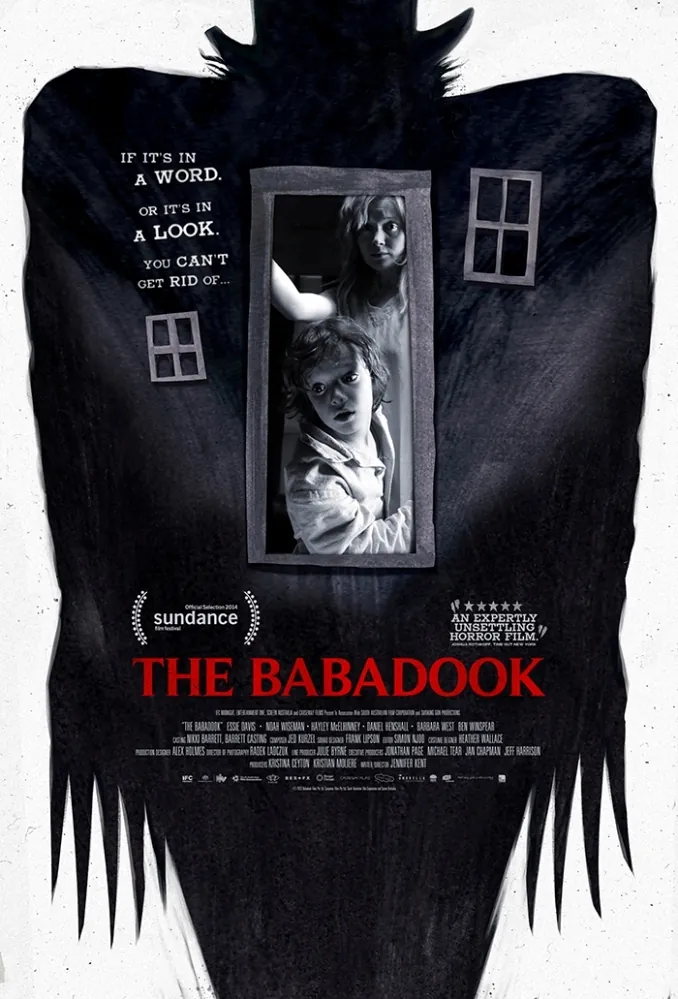
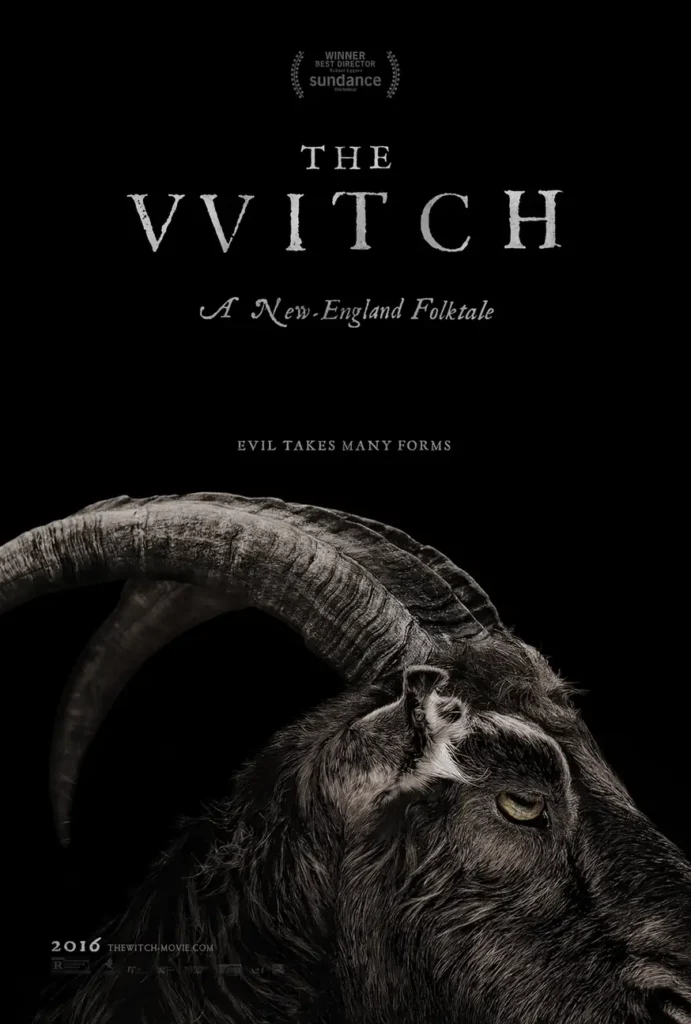
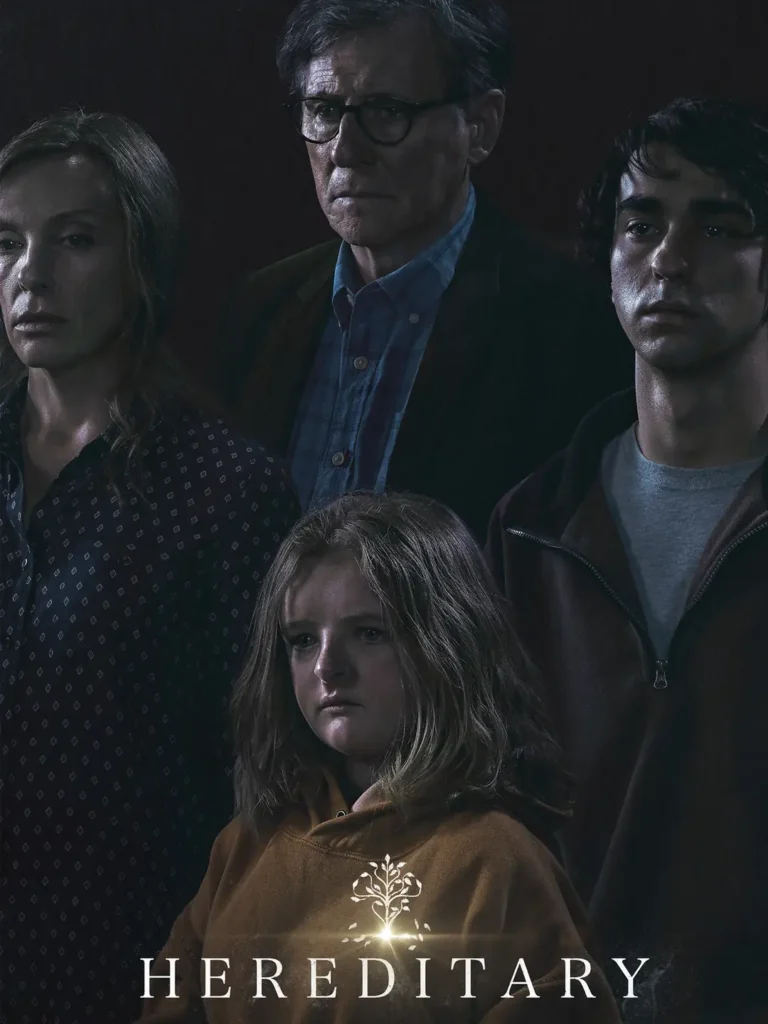
So readers take one of two positions. Either Cujo is a naturalist novel and the supernatural material is a metaphor, the way it is in horror films like The Babadook, The Witch, or Hereditary, where the monster gives shape to something the family can’t say out loud. Or the whole book is secretly a haunting, Dodd’s spirit is driving the dog, and the rabies is a cover story.
I land in the metaphor camp, and I think King tells you so himself, about two hundred pages in. During the siege, Donna looks at Cujo through the glass and her mind goes somewhere she doesn’t want it to go. She remembers the morning after Tad’s first bad dream, when she opened his closet door and for a moment thought she saw a slumped shape with red eyes, something ready to spring. And she realizes it was him. It was the dog. Tad was right all along, and the monster had been out here the whole time.
That’s King closing the loop on purpose. He wrote the closet as a real haunting so he could take it away from you. Vic and Donna spend the first half of the novel treating their son’s fear as a problem to be managed with a nightlight and a rhyme, because a monster in the closet is the kind adults know how to handle. It’s imaginary, so you can talk a kid out of it. Nobody can talk anybody out of a rabid dog. Every ounce of dread the book builds up around that closet gets redirected, in one scene, at a dooryard in the sun.
Did King mean it as a ghost story at some point? Maybe. Three and a half years is a long time, and some of it happened at night with a drink in his hand. Ideas drift. But the book that exists uses the ghost to sharpen the naturalism.
Free will was not a factor
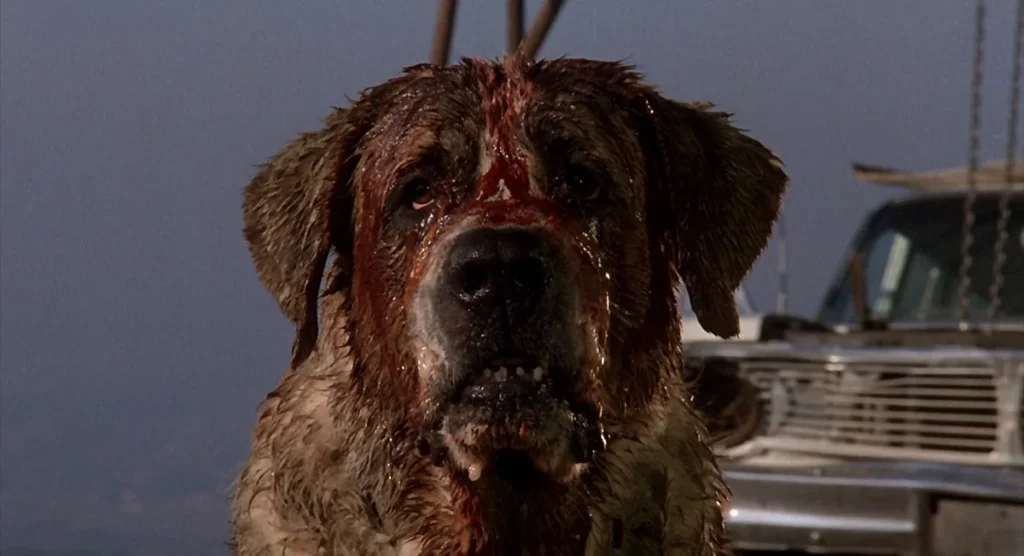
Cujo himself is the key to the novel, and King makes one decision about him that everything else rests on. He’s a good dog. That’s the book’s own phrase, and King uses it again and again. He spends real time inside the animal’s head, and what’s in there is loyalty, bewilderment, and a desperate anxiety about being a BADDOG, written in caps because that’s how it sits in a dog’s mind. When the bat gets him, his first instinct is not to go home, because he’s ashamed of being hurt and someone might scold him.
Then the disease takes hold, “sinking into his nervous system like a ravenous grassfire, all dove-gray smoke and low rose-colored flame.” It eats the dog from the inside, and the horror from Cujo’s side is that he can feel it and can’t do anything about it. He looks at Brett Camber, the boy he loves, and doesn’t know him. “What he saw was a monster on two legs.” The whole book is about people mistaking a familiar thing for a monster, and here’s the dog making the same mistake in the other direction.
Then comes the moment that gets me every time. Cujo is on the edge of attacking Brett in the fog, the boy speaks, and something old surfaces in the animal.
“It was THE BOY, THE BOY, and THE BOY had never done him any harm. Once he had loved THE BOY and would have died for him had that been called for. There was enough of that feeling left to hold the image of murder at bay until it grew as murky as the fog around them.”
The good dog wins that round. He staggers off into the fog instead of killing the child. It’s the last decent thing he manages before the sickness takes the wheel for good, and King never lets him have another one.
A small aside on the name. Cujo was the alias William Wolfe used in the Symbionese Liberation Army, the group that kidnapped Patty Hearst, and King puts that right in the novel: Donna notes the coincidence and decides Joe Camber has surely never heard of the SLA. The Hearst kidnapping had been rattling around in King’s head for years. He tried to write a novel about it directly, and when that book collapsed, pieces of it fed The Stand. A piece landed here too, on a Saint Bernard.
All of it comes back to a passage near the very end, after Cujo’s remains have been cremated and the ashes hauled away with the trash. King steps in almost like a coroner filing the cause of death:
“It would perhaps not be amiss to point out that he had always tried to be a good dog. He had tried to do all the things his MAN and his WOMAN, and most of all his BOY, had asked or expected of him. He would have died for them, if that had been required. He had never wanted to kill anybody. He had been struck by something, possibly destiny, or fate, or only a degenerative nerve disease called rabies. Free will was not a factor.”
That last sentence is the whole novel in five words. Nobody chose this. The dog didn’t choose to get sick, and the bat didn’t choose to be rabid. There’s no bargain, no curse, no vengeful spirit with a grievance. There’s biology and bad timing, grinding forward with no interest at all in the fact that a good dog and a good little boy are standing in the way.
King is writing horror without a villain, and that’s harder to shake than any demon. You can’t reason with it. You can’t repent your way out of it. Cujo wasn’t aiming at Donna and Tad. They were in the wrong place at the wrong time, and the thing that nearly kills them never sees them at all.
The chain of ordinary failures
If the dog is the engine, the plot is the wiring, and the wiring is where this book turns merciless. Donna and Tad don’t end up trapped because of one big mistake. They end up trapped because of a dozen small ordinary ones, each harmless alone, all of them lining up at once.
Look at the parts. Cujo never got vaccinated, because Joe Camber is careless with money and time. The Pinto has a fault Vic keeps meaning to get looked at. It’s a brutal summer, so the car becomes an oven. Vic is out of town chasing a collapsing account. Joe Camber is already dead when Donna arrives, killed by his own dog, and so is his nearest neighbor, Gary Pervier. Camber’s wife and son are away, so nobody’s expected at the place for days.
Then there’s the note. Before she leaves, Donna writes on the noteminder by the fridge that she and Tad have gone out to Camber’s garage with the Pinto. That note is a lifeline. Anybody who reads it knows exactly where to send help. But Steve Kemp, the man Donna had the affair with, breaks into the house to trash it out of spite, and he “erased the message on the noteminder with one swipe of his sleeve.”
One angry gesture, by a man who has nothing to do with the dog, in a house miles from the dooryard, and the lifeline is gone. Vic works it out much later in a flat little sentence: “The line on the noteminder at home would have fit right into Kemp’s little note.” Worse, Kemp’s vandalism convinces Vic his wife has run off with him. The affair, the thing that felt like the family’s private moral crisis, turns out to be the reason nobody comes.
There’s class texture in here too, and King stays quiet about it. Vic jokes that Camber’s place is out in East Galoshes Corners. Donna is a little scared of Joe Camber, “the quintessential backcountry Yankee, grunting instead of talking, sullen-faced.” So a city woman’s car dies at a house she already found faintly menacing, in a part of town she’d never have driven to if the Pinto hadn’t needed a mechanic. Nobody’s a snob about it and nobody’s a saint. It’s one more fault line for the machine to use.
A careless owner, a cheap car, a heat wave, a business trip, a jealous ex. Every link is mundane. Catastrophe doesn’t need the supernatural. It needs enough ordinary failures to happen at the same time.
Nope, nothing wrong here
The subplot everyone skips is the one carrying the meaning of the whole book. Vic’s firm has one account that matters, Sharp Cereals, and its signature creation is the Sharp Cereal Professor, a mild, reassuring authority figure who looks straight into every living room in the country after each ad and says the same four words: “Nope, nothing wrong here.”
King explains why that line works on children. The Professor is a complete security blanket, a promise that in a world where parents divorce and bigger kids hit you for no reason, there will always be Twinkles and Cocoa Bears and they’ll always taste good. It’s a grown-up voice telling you everything is fine.
Then King detonates it. A batch of Sharp cereal ships with a defective red food dye. The dye is harmless, but it passes through the body without breaking down, so children who eat it appear to be bleeding internally. A doctor tells Vic that an autopsy on one of those kids “would reveal a digestive tract as red as a stop sign.” The children are all fine. Every parent who sees it thinks their child is dying, which, as a parent, I’d think too. And the most trusted voice in America becomes the voice that seemingly poisoned your kids, still smiling, still saying nope, nothing wrong here.
Look at how that rhymes with the rest. The red dye is a false alarm that looks like a catastrophe. The rabid dog is a catastrophe wearing the face of the family pet. The Monster Words are a father’s promise that the closet is safe. The whole novel is about the distance between the comforting story adults tell and the indifferent thing that’s actually out there. The Professor says nothing is wrong. Cujo is the proof that something always is.
In fairness, the ad agency material is also where the book sags. There are long stretches of Vic and his partner Roger driving to Boston and worrying about billings, and it reads like King got more interested in the collapse of a small advertising firm than anybody has ever been in the collapse of a small advertising firm. If you’ve bounced off this novel, I’d bet that’s where. The theme is doing real work. It’s doing it across more pages than it needs.
The siege
Then comes the part you remember, the reason the word Cujo means what it means. The Pinto dies in the Camber dooryard and the dog is waiting, and what follows is the most sustained claustrophobic set piece King had written to that point. A mother and a four-year-old sealed in a small car in killing heat, with a two-hundred-pound animal outside that comes at the windows every time they make a sound or try the ignition.
King is merciless about the physical detail: the heat, the thirst, Tad fading by degrees, Donna’s terror that the sound of the starter is what brings the dog. And there’s the moment the animal comes to the glass.
“Cujo was there, looking in at her. His face was less than six inches from her own. Only the Saf-T-Glas of the driver’s side window separated them. Those red, bleary eyes stared into hers.”
A quarter inch of safety glass between a child and a rabid animal. It holds, and it holds, and you keep reading and waiting for it not to.
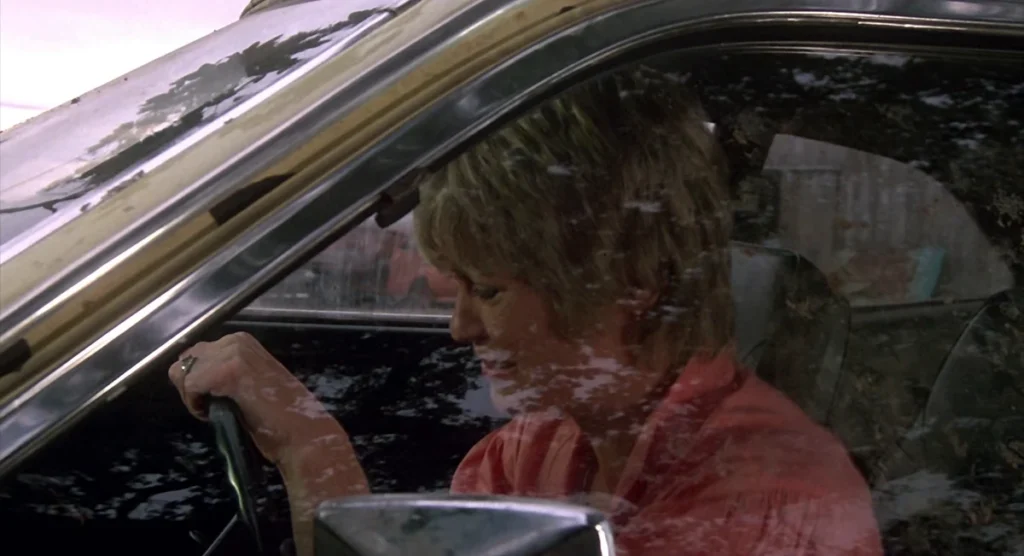
There’s a detail in there I think about more than the scary parts. Donna realizes that when she stopped the car she rolled her window up without thinking, because her father drilled it into her: stop the car, roll up the windows, set the brake, take the keys. That scrap of inherited habit is the only reason she still has a throat. It’s the same machine running in reverse. A dozen tiny accidents put her in the dooryard, and one tiny accident keeps her alive in it.
This is where the novel stops being about ideas and becomes about a body in a seat. A mother calculating how long she can wait. A little boy asking for water that doesn’t exist. As a new dad, I found it hard to read without a lump in my throat.
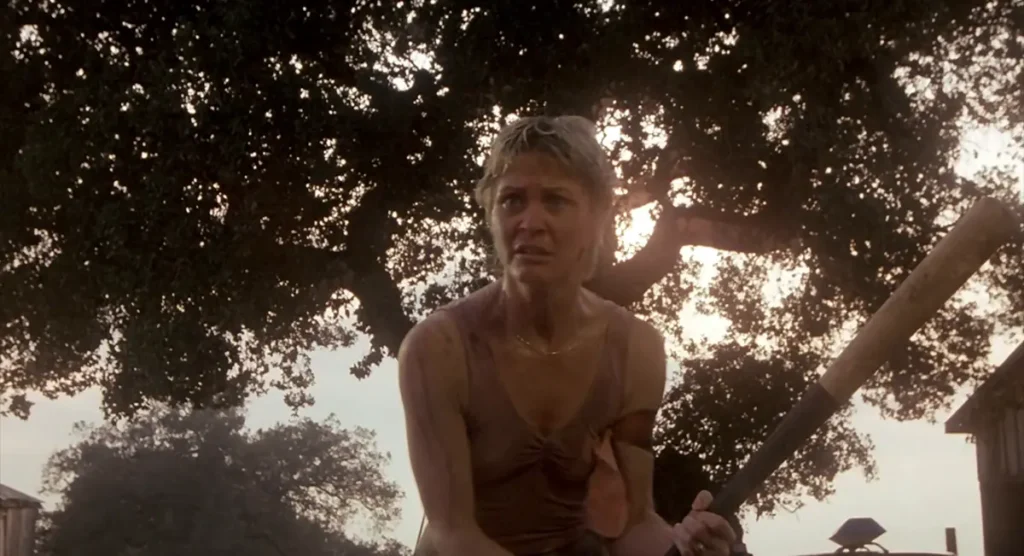
And Donna is the one who has to act, which matters, because King’s most famous parents usually fail their children. Jack Torrance turns on his family in The Shining. Margaret White terrorizes her daughter in Carrie. Louis Creed digs up his own son. Donna is one of the few counterexamples, a parent who puts herself between her child and the danger no matter what it costs, and when she finally goes out with a broken baseball bat, King writes her as something out of myth.
“Her head was high wine and deep iron. The world danced. She was the harpies, the Weird Sisters, she was all vengeance, not for herself, but for what had been done to her boy.”
She beats the dog to death. She wins. She just wins too late.
The people of Castle Rock
Cujo has a reputation as a thin book, and the cast is one reason that reputation is unfair.
Donna Trenton is the best thing in it. She spends the first half as the guilty one, and King is unusually generous about why. The affair with Steve Kemp reads as a woman feeling herself age and disappear inside a marriage and a move she didn’t choose, reaching for proof she still exists. He lets her be selfish and frightened and human without making her a villain, and she ended the affair before the story starts. Then the siege strips all of it away. What’s left is a woman with a sunburn and a body giving out, deciding this thing isn’t getting her son. King told Netflix that Dee Wallace, who played her in the film, should have gotten an Oscar nomination, and the character on the page earns that kind of performance.
Vic Trenton is the sadder case. He’s the fixer: he saves accounts, he charges out barefoot when Tad gets hurt, he writes the Monster Words. And when it counts, he’s in Boston chasing red dye while his own mind lies to him about Kemp. King loves writing the fantasy of the protective father. Here he writes a man who does everything a provider is supposed to do and still gets home too late, because the timing was never his to control.
Tad is four, and King writes small children better than almost anybody, which is exactly why this book hurts. Tad takes the Monster Words down off his wall, folds the paper, and carries it with him, and he keeps touching it through the siege. A piece of paper in his dad’s handwriting.
The Cambers are the other family, and the 1983 film throws them away almost entirely. Joe Camber is a mean, tight-fisted man who hits his wife, and King doesn’t soften him. Charity Camber wins five thousand dollars in the state lottery and uses it to take her son Brett to Connecticut to visit her sister, mostly so the boy can see that men don’t have to live the way his father does. Brett is ten, he adores Cujo, and he’s the first to notice something’s wrong with the dog. Charity trying to give her son a better life is part of why nobody’s home when Donna’s car dies. King runs the two families in parallel the whole way, one saving itself and one being destroyed, and never once points at it.
Gary Pervier, the alcoholic neighbor, gets a handful of pages and the best small piece of character writing in the book. He took a German pillbox alone in 1944 and won the Distinguished Service Cross for it, then years later paid a man to melt the medal down into an ashtray. He’s been drinking himself to death in a house full of trash ever since. The dog follows him through the screen door and gets him in his own front hall.
Steve Kemp is the one real miss. He’s a sneering cartoon of a bad boyfriend who exists to erase a note, and King doesn’t seem interested in him past that job. It’s a shame in a book this careful about giving everyone an inner life.
The ending King refused to soften
I’ve changed my mind about this ending more than once, so I’ll lay it out properly.
Tad dies. After the siege, after the heat, after two days of his mother’s impossible endurance, the little boy dies of dehydration and shock in that car. Donna kills Cujo for a child who’s already gone. When Vic finally gets there, he checks his son and asks how long he’s been dead, and Donna’s mind refuses it: “No God, no fate, could be so monstrously cruel.”
Then King writes the passage I can’t stop thinking about. Out in the driveway the flies have found the two bodies, Cujo and Sheriff George Bannerman.
“They had no preference between the dog and the man. They were democratic flies. The sun blared triumphantly down.”
Democratic flies. Nature doesn’t rank the man above the animal. It processes both at the same speed, under a sun that isn’t mourning and is, if anything, pleased.
The 1983 film changed it. In the movie, Tad lives. I always assumed King hated that change, since he has a long record of hating changes to his books. He didn’t. Dee Wallace has said she made the ending a condition of taking the part, telling the producers that an audience who hadn’t read the book shouldn’t have to sit through the boy’s death. By her account, King wrote to the production after the film came out to say, in effect, thank God you didn’t kill the kid, because nothing he’d ever written got him more hate mail. That’s a genuinely funny thing for the future author of Pet Sematary to say.
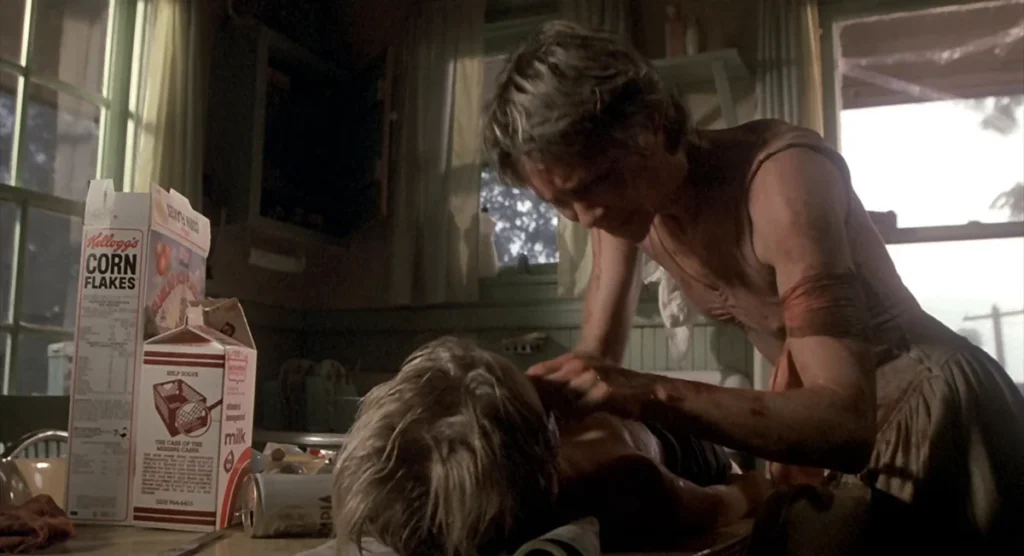
The case against the book’s ending deserves its best shot. It says that killing a four-year-old off-page, after his mother has done every single thing right, is a cheap kind of daring, a writer proving he’ll go further than you will. It says that bleakness can pass for courage while dodging the harder work of earning an ending. And it says the man who wrote it was, by his own account, not sober enough to know what he was doing. I’ve heard that argument made well, and I don’t think it’s stupid.
I still come down on the side of the book. The whole novel argues that the universe doesn’t grade on effort. Donna did everything right. She fought, she endured, she shielded her son with her body for two days, and she killed the monster with her hands. The book still takes Tad, because a virus and a heat wave and a sticky needle valve and an erased note don’t care how brave anybody was. Free will was not a factor for the dog, and heroism isn’t a factor for the universe.
If Tad lives, the struggle was rewarded. The moral order held. The closet was safe after all, and the Sharp Cereal Professor was telling the truth. Everything the novel spent three hundred pages dismantling gets rebuilt in the last ten. Change that one fact and you’ve written the opposite book.
And King’s discomfort doesn’t count against the ending. What he said was that it got him more hate mail than anything else he’d done, which is a long way from saying it was wrong. One is an aesthetic judgment. The other is a man opening his mail. Where I’ve landed is that the movie made the right call for a movie and the book made the right call for a book. Wallace is right that watching a small child beg for water and then die is a different experience from reading it. Film puts you in the car. Prose gives you the half step back you need to survive what’s being said. But what’s being said only exists in the book.
Rattlesnakes: forty-three years later
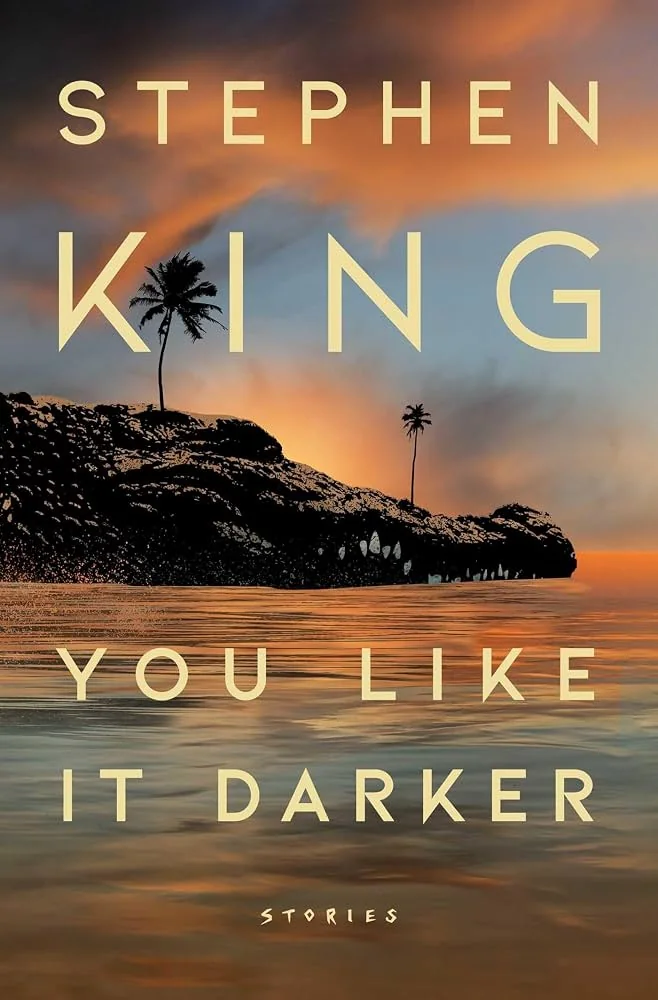
For forty-three years that was the end of it. Then in 2024 King published You Like It Darker, and in the middle of it is a novella called “Rattlesnakes,” a direct sequel to Cujo.
It’s 2020. Vic Trenton is seventy-two and a widower, riding out the pandemic at a friend’s house on the Gulf Coast of Florida. His neighbor, a widow, pushes a stroller with nothing in it but two little sets of clothes, behaving as though her twin sons are still inside. I won’t spoil where it goes. What matters here is that King went back four decades later, and more than thirty years sober, to look at the father who arrived too late. The novella is about what Tad’s death did to that marriage, and to Vic, and what forty years of carrying it does to a person.
Think about what that means for the ending. King didn’t take it back or apologize for it. He went back and sat with the consequences, at length, as an old man, which isn’t how a writer behaves when he thinks he made a drunken mistake in 1981. If you finish Cujo and need more closure, “Rattlesnakes” is where the rest of it is. Read it second. It’s very good, it’s very sad, and it’s the closest thing this story has to an answer.
King connections
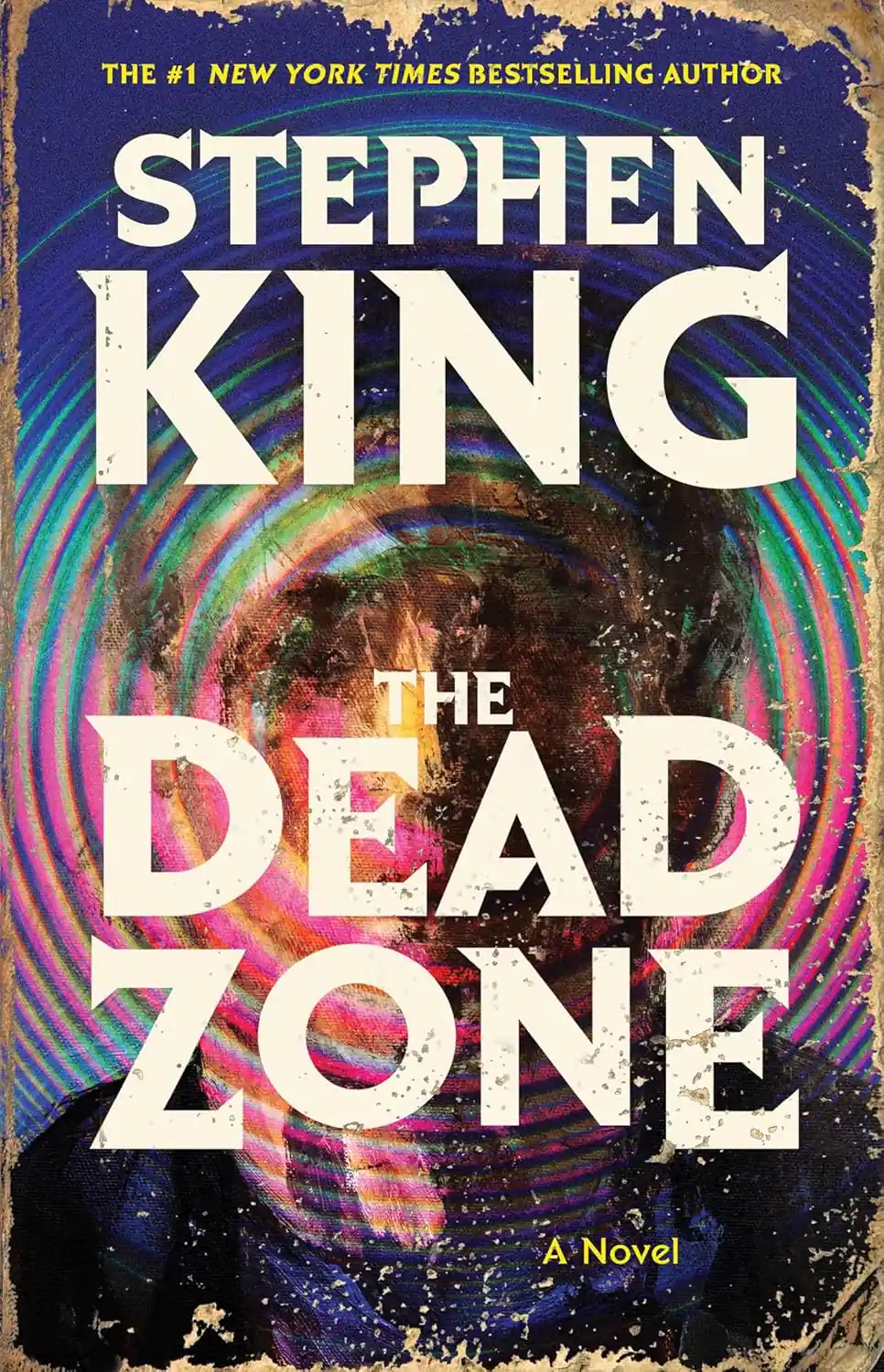
Cujo is where Castle Rock starts becoming King’s haunted map, and it does it by reaching back into The Dead Zone twice.
The first thread is the opening. Frank Dodd, the Castle Rock Strangler, is the same deputy Johnny Smith exposed, and King uses his ghost to set the tone for the whole novel. This town already had a monster, and it used his name to scare its children. Cujo is the next one in line.
The second one stings once you catch it. The lawman who dies at the Camber place is Sheriff George Bannerman, and King names his family in the same sentence that lays out his body: “husband to Victoria, father to Katrina.” Bannerman is the sheriff who worked the Dodd case with Johnny Smith. He survived the serial killer. He doesn’t survive the dog. King brought back the one man who beat the human monster and fed him to the indifferent one, which is about as mean and as clever as continuity gets.
Both threads point the same way. The evil in Castle Rock keeps changing bodies. One decade it’s a killer cop, the next it’s a sick animal. The monster never dies. It just changes shape.
Final thoughts
So why read the killer dog one? Because it’s King doing something he almost never did at this point in his career: taking the supernatural away entirely and still frightening you. No shining, no vampires, no Randall Flagg. A good dog, a bad summer, and a chain of ordinary failures that seals a mother and her son inside a Ford Pinto until one of them dies. No lesson at the bottom of it. No comfort. No Sharp Cereal Professor to tell you nothing’s wrong.
I think that’s why people flinch from it, and why it’s lasted. Cujo is about the thing we spend our lives arranging not to look at: the universe is indifferent to us, and that’s worse than hatred, because a malicious universe would at least know we were here.
Is it his best book? No. The middle sags, the ad agency material runs long, Steve Kemp is a cardboard cutout, and the ghost in the closet is a loose thread King may or may not have meant to leave hanging. I’ll give the skeptics all of that. But a dog who never wanted to kill anybody is harder to sleep off than any monster who did. You can lock your door against a monster. You can’t lock it against a bad afternoon. Cujo deserves better than the shelf people leave it on. It’s one of the bleakest things King ever wrote, it’s all entirely plausible, and he barely remembers the revising, which is its own small horror.
If you’re working through the run in order, Roadwork is the other early King book about a family wrecked by the loss of a son, and I ranked the 1970s lead-up in Every Stephen King Book of the 1970s, Ranked. Cujo is also a textbook case of a book whose average rating hides what it’s doing, which is the argument in why star ratings are broken.
Where do you land on the ending? Is the book braver than the movie, or did King go too far and get lucky? And which King book do you think has a worse reputation than it deserves? Cujo is mine. Tell me yours in the comments.
Read or hear Cujo yourself
Mysterious Galaxies is a Libro.fm and Bookshop.org affiliate. If you buy the audiobook or physical book through the links below, the channel earns a small commission at no extra cost to you.


FAQs
What is Cujo by Stephen King about?
Cujo (1981) follows two families in Castle Rock, Maine, in the summer of 1980. Cujo, a gentle Saint Bernard owned by a mechanic named Joe Camber, is bitten by a rabid bat and slowly loses himself to the disease. Meanwhile Donna Trenton, whose husband is away trying to save his ad agency, drives her failing Ford Pinto out to Camber’s garage with her four-year-old son, Tad. The car dies in the dooryard, the rabid dog is waiting, and mother and son are trapped inside in the summer heat for two days.
Does Tad die in Cujo?
Yes. In the novel Tad dies of dehydration and shock in the Pinto, and Donna kills Cujo for a child who’s already gone. The 1983 film changed the ending so that Tad survives. It’s the biggest difference between the book and the movie, and the one readers still argue about.
Why did the Cujo movie change the ending?
Dee Wallace, who played Donna, has said she made Tad’s survival a condition of taking the role, arguing that a film audience who hadn’t read the book shouldn’t have to watch the boy die. By her account, King later wrote to the production to thank them for the change, saying he’d never gotten more hate mail for anything than for killing Tad.
Is there a ghost in Cujo?
The novel leaves room for one. Tad’s closet door opens by itself, and the thing inside speaks, calling itself Frank Dodd, the serial killer from The Dead Zone. Some readers take that literally and think Dodd’s spirit drives the dog. Others read it as metaphor. During the siege Donna connects the red eyes she once glimpsed in Tad’s closet to Cujo himself, which suggests King used the ghost as a decoy for a monster with no supernatural explanation at all.
Did Stephen King really not remember writing Cujo?
In On Writing King said he barely remembers writing it, because of his drinking and drug use at the time. He later told Netflix that he does remember writing it; what he doesn’t remember is revising it, which he did at night while drunk and stoned. The novel is dated September 1977 to March 1981.
What inspired Cujo?
Two real events. In 1977 King took his motorcycle to a rural mechanic near Bridgton, Maine, the bike died in the yard, and a huge Saint Bernard came at him until the owner hit it with a socket wrench. Separately, the Ford Pinto King and his wife bought with the Carrie advance had a sticking needle valve that kept it from starting, and he worried about her getting stranded. He told the Paris Review he originally planned for Donna to catch rabies, but dropped the idea once he learned the incubation period was too long.
Is there a sequel to Cujo?
Yes. “Rattlesnakes,” a novella in King’s 2024 collection You Like It Darker, follows Vic Trenton in 2020, now seventy-two and widowed, forty years after Tad’s death. It’s a direct sequel and a good companion to read after the novel.
How is Cujo connected to The Dead Zone?
The novel opens on Frank Dodd, the Castle Rock Strangler whom Johnny Smith exposed in The Dead Zone. And Sheriff George Bannerman, who worked the Dodd case with Johnny, returns in Cujo and is killed by the dog at the Camber place. Both books are set in Castle Rock, which King would keep returning to for decades.
Why doesn’t Cujo have chapters?
King told the Paris Review that Cujo was a standard novel in chapters when he wrote it, but that he wanted the book to feel like a brick heaved through the reader’s window. The published novel runs as one continuous narrative separated only by white space, with nowhere natural to stop.
Sources
- The Paris Review, “Stephen King, The Art of Fiction No. 189” (the Saint Bernard and the motorcycle, the Pinto and the needle valve, the rabid-Donna first draft, the chapters and the brick quote)
- Netflix Tudum, Stephen King interview for Mr. Harrigan’s Phone (remembering writing Cujo but not revising it; Dee Wallace and the Oscar)
- Stephen King, On Writing: A Memoir of the Craft (2000) (the novel he barely remembers writing)
- Stephen King, Cujo (Viking, 1981); all novel quotations checked against the text
- Stephen King, “Rattlesnakes,” in You Like It Darker (Scribner, 2024)
- Dee Wallace’s interview accounts of the changed film ending and King’s response
SOURCE · Stephen King, Cujo (1981). SERIES · Into the King-Verse.
Transmissions from ground control