▸ The hotel doesn't make the monster
The Shining: The Monster the Overlook Reveals
| SUBJECT | Stephen King |
| PUBLISHED | THE SHINING (1977) |
| RUNTIME | 20:25 |
| STATUS | CARETAKER UNREACHABLE |
Step carefully into Room 217. Stephen King‘s The Shining arrived in 1977, his third novel and his first hardcover bestseller, and it’s the book that turned a promising horror writer into a household name. A lot of readers call it his best, and they have a case.
The setup is simple: Jack Torrance, an aspiring writer and recovering alcoholic, takes a job as the winter caretaker of the Overlook Hotel, a grand and isolated lodge high in the Colorado mountains. He brings his wife, Wendy, and their young son, Danny, who has a psychic gift the hotel’s old cook calls “the shining.” Jack means it as a fresh start. The Overlook has other plans.
What makes the book last is that it’s not just a really good ghost story; it’s a study of addiction, of inherited violence, and of how thin the line is between a man holding himself together and a man coming apart. The supernatural is real, but the deepest horror is domestic. This is also where I have to talk about Stanley Kubrick, because his 1980 film is so famous that it sits between most people and the novel. I’ll get to that.
A note before we go on: I discuss the ending, including who lives and who doesn’t. If you’d rather stay unspoiled, step off here and come back once you’ve read it.


What it’s about
Not only is the Overlook one of horror’s greatest backdrops, it’s also a character in its own right. The hotel is watchful, patient, and hungry, and it works on the people inside it by finding their weak points and pressing.
For Danny, that means visions of the hotel’s dead. For Jack, it means his drinking and his temper, the abusive childhood he swore he’d never repeat, and the fear that he’s failing his family anyway.
King shifts among Jack, Danny, and the hotel itself, threading the Overlook’s bloody history through side characters and a scrapbook Jack finds in the basement, almost certainly left there by the hotel to deepen its hold. It’s the same trick of exposition-through-documents King had been refining since Carrie and Salem’s Lot.
“Sometimes human places, create inhuman monsters.”
For a book with a haunted hotel and a psychic child, it feels small and close. The real story is one family in a locked building through a long winter, and that tight focus is what makes it suffocating in the best way. You watch Jack’s optimism crack, Wendy’s fear climb, and Danny’s visions sharpen, and you feel trapped in the snow with them.

The monster the hotel reveals
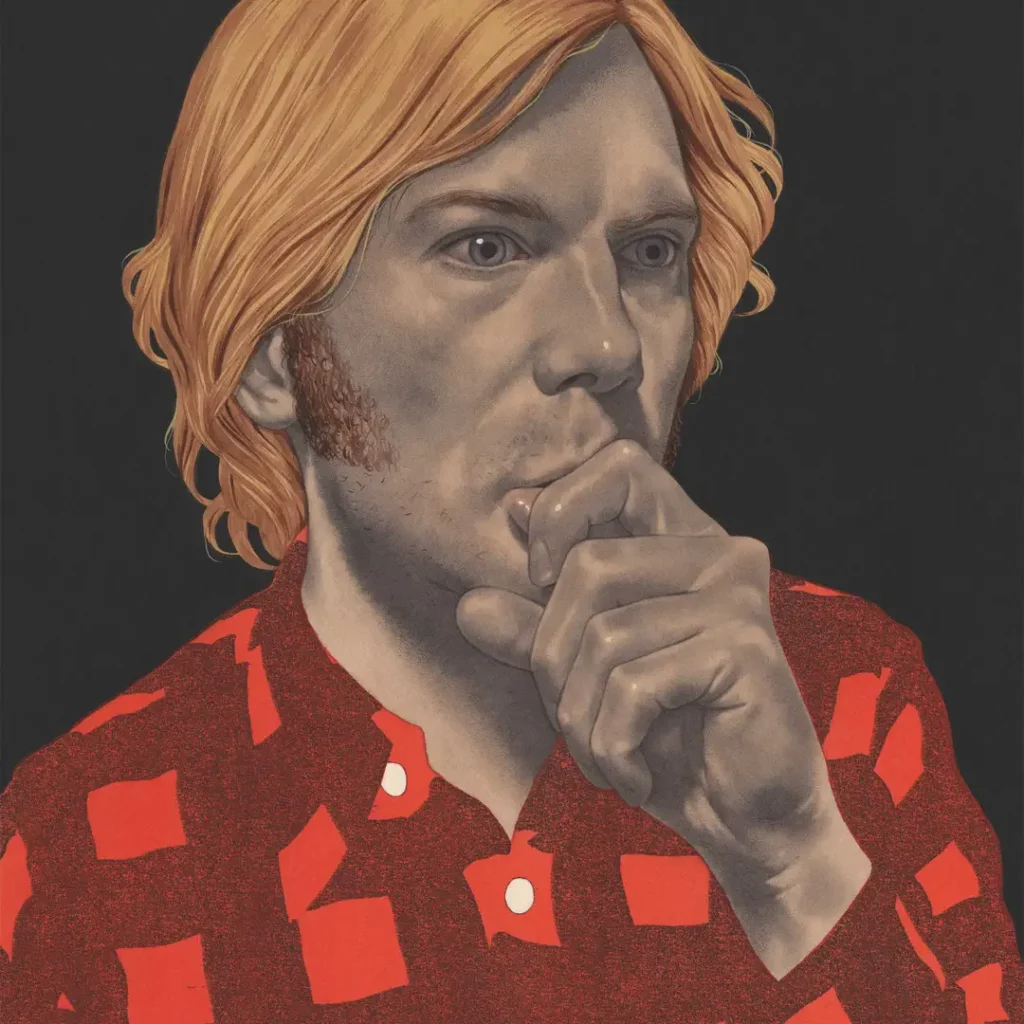
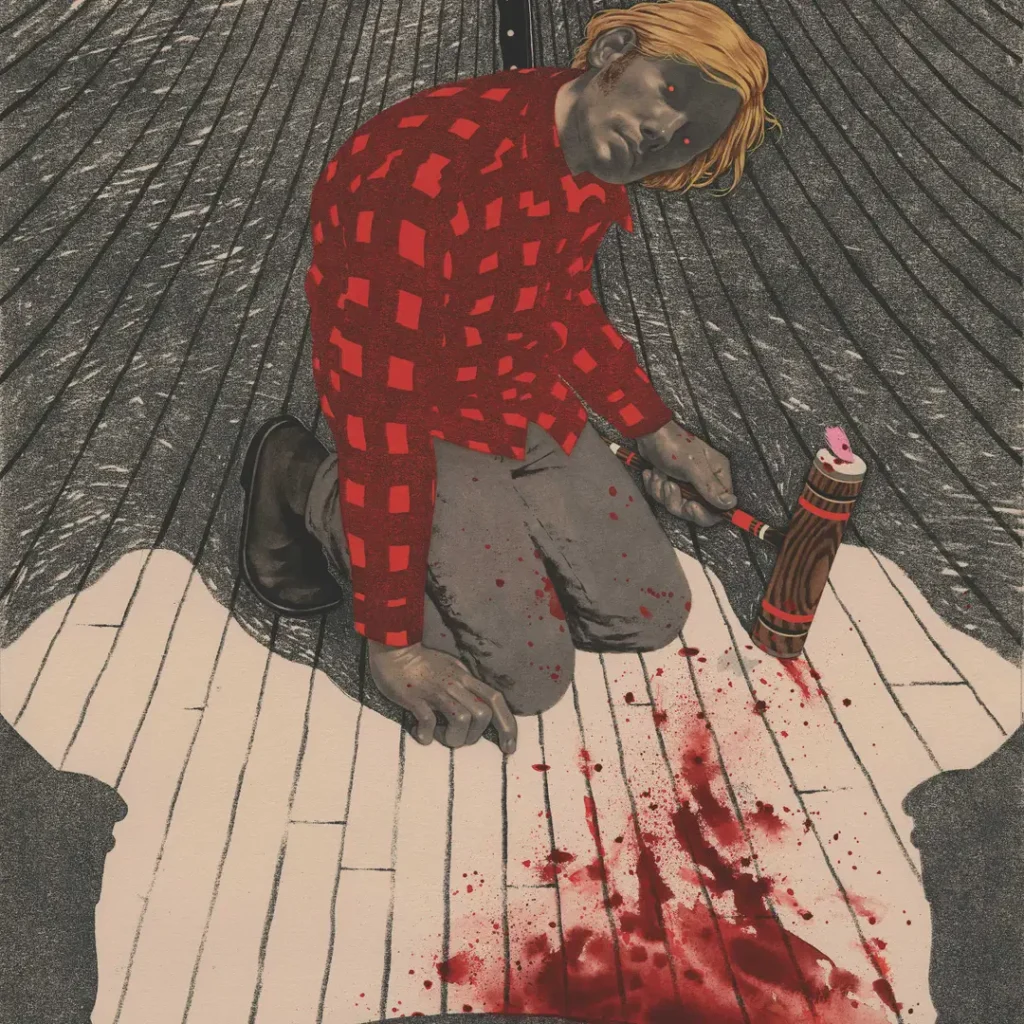
The Overlook doesn’t create Jack’s darkness. It reveals it by shining a light on his past. He isn’t simply possessed or victimized; he’s exposed. The rage and the weakness were already there, and the hotel just gives them room to grow. That’s a subtle move, and it’s the one that makes Jack so much more than a movie monster.
“Wendy? Darling? Light, of my life. I’m not gonna hurt ya. I’m just going to bash your brains in.”
Maybe it’s because I’ve known several alcoholics, friends and family both, but Jack landed as a genuinely sympathetic character for me. His selfishness and his stubbornness and his dodging of responsibility run deep, and you still feel for the man once you know his story.
“Monsters are real. Ghosts are too. They live inside of us, and sometimes, they win.”
King makes you understand how a person gets consumed, and he refuses to let you off the hook by making Jack a simple villain. The horror is that the seeds were planted early, and the Overlook is only the soil.
Where the book shows its age
I want to be honest about a real problem, because it’s worth facing head-on. Dick Hallorann, the Overlook’s black cook, is one of the most important characters in the book. He understands Danny’s gift; he’s a source of warmth and hope, and he comes back through a blizzard to help save the family. He also endures overt and subtle racism throughout, and for a contemporary reader, that lands as dated and uncomfortable.
“The world’s a hard place, Danny. It don’t care. It don’t hate you and me, but it don’t love us, either. Terrible things happen in the world, and they’re things no one can explain. Good people die in bad, painful ways and leave the folks that love them all alone. Sometimes it seems like it’s only the bad people who stay healthy and prosper. The world don’t love you, but your momma does and so do I.”
The novel’s own logic gives those moments a purpose. The Overlook goads each character with the thing that will break them: alcohol for Jack, the dead for Danny, the ugliest bigotry for Hallorann. It’s the hotel reaching for a person’s rawest nerve. Even granting that, the racism doesn’t drive the plot, and Hallorann is one of the only Black characters in the story, so it’s fair to ask whether these scenes add depth or just reproduce the era’s cruelty.
King is very much a writer of his time. Read enough of him, and you’ll notice his teenagers talking and thinking like kids from decades before they were born, because that’s the world he knows. I understand the discomfort, and I’d rather name it than pretend it isn’t there. I also don’t think it should keep you from the book.

The prose
King’s later books can sprawl into wide, multi-threaded epics. The Shining doesn’t. It’s tight and precise, every scene pulling toward the same claustrophobic end. If you want horror that stays close on character and setting rather than reaching for scale, this is a masterclass, and it’s proof that the worst terror often comes from inside a person rather than outside the door.
The book and the Kubrick film
You can’t discuss The Shining without the movie, and my long-standing complaint hasn’t changed. Kubrick’s Jack is unhinged from the first frame, which strips him of the arc that makes the novel devastating. King has said as much for years, that the film gives Jack no real progression and reduces Wendy to someone who mostly screams. The book earns its horror by first showing you the loving, failing father, then watching the Overlook take him apart.
The film also diverges in ways that have become iconic in their own right. The elevator of blood and the twins in the corridor aren’t in the book. The hotel survives on screen; in the novel, the neglected boiler blows and takes the Overlook with it. For years, I only wanted to hold those changes against the movie. On this reread, I found myself wanting to watch it again with clearer eyes, to take it as its own cold, beautiful thing rather than a broken copy of the book. Both can be true. The novel has the warmth and the human arc; the film has a nightmare logic all its own.


Why you should read it
Revisiting The Shining after years away only raised it in my estimation. It’s about generational trauma, addiction, and the fight for self-control, and those themes read as sharply now as they did in 1977. Jack’s fear of repeating his father, of losing his grip, of failing the people who depend on him, is as human as horror gets, and Danny and Wendy ground the supernatural in real feeling rather than letting it float free.
There’s almost nothing to cut, the tension never sags, and the book gives up something new on every read, depending on where you are in your own life. Whether you’re a longtime King reader or brand new to him, this is one to put near the top of the pile.
So that’s my take. Now I want yours. What did you make of The Shining, the book or the film? Tell me in the comments.
“But see that you get on. That’s your job in this hard world, to keep your love alive and see that you get on, no matter what. Pull your act together and just go on.”
Read The Shining yourself
Mysterious Galaxies is a Libro.fm and Bookshop.org affiliate. If you buy the audiobook or physical/digital book through the links below, the channel earns a small commission at no extra cost to you.


Where does The Shining land among King’s 1970s books? I ranked all eight of them, worst to best, in Every Stephen King Book of the 1970s, Ranked (it landed at number two).
FAQs
What is Stephen King’s book The Shining about?
The Shining follows Jack Torrance, a recovering alcoholic who becomes the winter caretaker of the isolated Overlook Hotel. Hoping to heal his family, Jack is instead slowly driven mad by the hotel’s malevolent spirits, which desire his son Danny because of his powerful psychic ability, “the shining.”
Is The Shining based on a true story?
While the plot is fiction, the setting is inspired by The Stanley Hotel in Estes Park, Colorado. King stayed there in 1974 right before it closed for the winter. A nightmare he had there about his son being chased by a fire hose inspired the core concept of the novel.
Why does Stephen King hate the Kubrick movie?
King dislikes Stanley Kubrick’s 1980 adaptation because it strips the story of its emotional heart. He feels Kubrick portrayed Jack as crazy from the start, ignoring the tragic arc of a man fighting addiction. King also felt the film misogynistically reduced Wendy to a screaming, weak character.
What is the difference between The Shining book and movie?
The biggest difference is Jack Torrance’s character arc. In the book, he is a tragic victim who ultimately sacrifices himself to save Danny. In the movie, he is a villain who freezes to death. Additionally, the hotel explodes in the book due to a boiler, whereas it remains standing in the film.
What is Room 217 in The Shining?
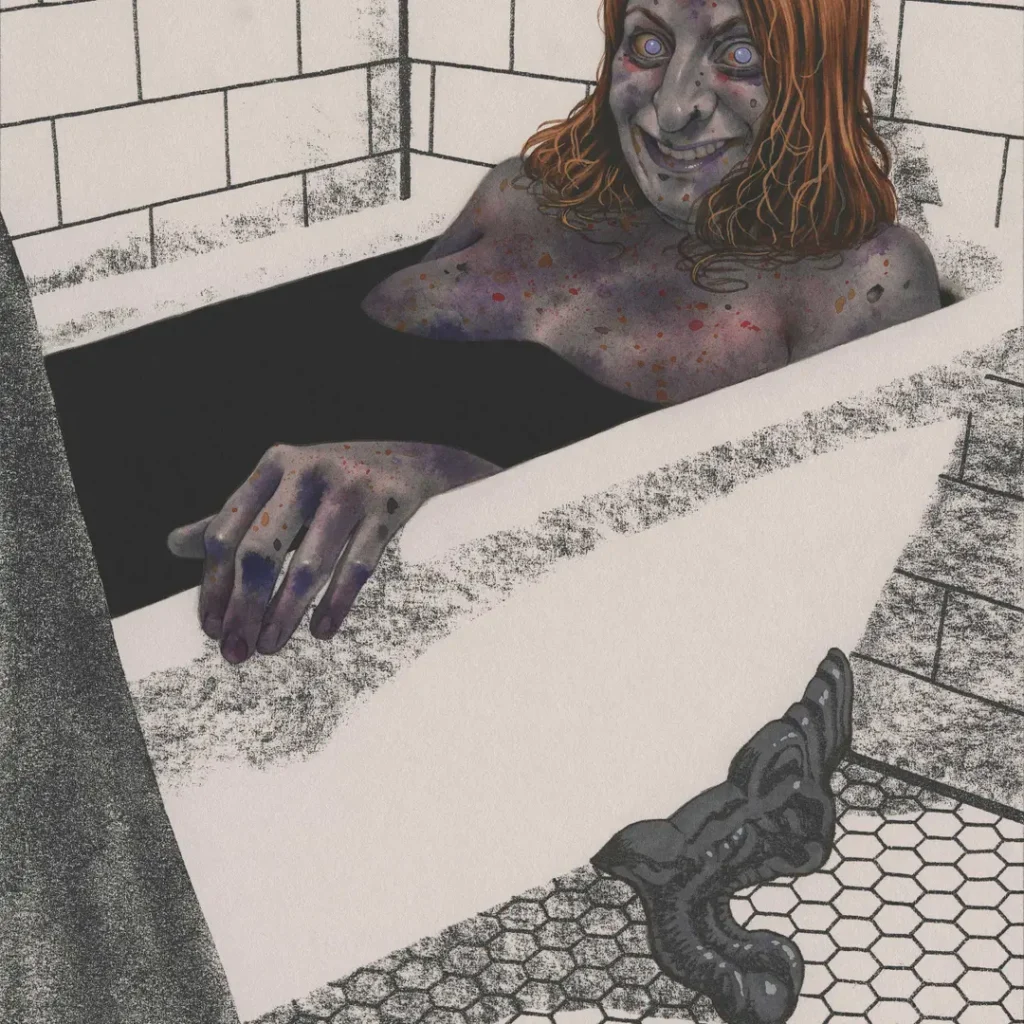
In the novel, the haunted room is 217, where Danny encounters a bloated, dead woman. Kubrick changed this to Room 237 for the film because the Timberline Lodge (used for exterior shots) asked him not to scare guests away from their actual Room 217.
What is “the shining” ability?
“The shining” is a psychic ability that allows people to communicate telepathically, see the past and future, and perceive ghosts. Danny Torrance has an immensely powerful version of this gift, which acts like a battery for the Overlook Hotel’s spirits, giving them the strength to manifest physically.
Does Jack Torrance die in The Shining book?
Yes, he does die, but he dies heroically. Unlike the frozen death in the film, the book’s Jack momentarily regains control, telling Danny to run before the hotel’s neglected boiler explodes. Jack dies with the hotel, destroying the evil spirits, while Danny, Wendy, and Dick Hallorann escape to safety.
Who is Tony in The Shining book?
Unlike the movie’s “imaginary friend living in his mouth,” the book reveals Tony is actually a psychic projection of Danny’s future self (Daniel Anthony Torrance). He guides young Danny, showing him visions to help him survive the Overlook and understand his powers.
What does REDRUM mean?
“REDRUM” is “MURDER” spelled backward. Danny Torrance, in a trance, writes this on a door (or mirror in the movie) to warn his mother, Wendy, of the impending danger from Jack. It represents the violent climax where the hotel’s influence fully takes over.
Is there a sequel to The Shining?
Yes, Stephen King published a direct sequel, Doctor Sleep, in 2013. It follows an adult Dan Torrance as he battles the True Knot, a group of psychic vampires. The book explores Dan’s recovery from alcoholism and trauma, mirroring his father’s struggles but with a hopeful path.
Does Dick Hallorann die in the book?
No. In a major departure from the film, Dick Hallorann survives the axe attack in the novel. He helps rescue Danny and Wendy from the burning hotel and later acts as a mentor figure for Danny as he grows up.
What is the “dog man” scene in the book?
One of the book’s most disturbing scenes involves Jack encountering a ghost in a dog costume performing sexual acts for a ghostly figure (Roger Derwent). It highlights the hotel’s depraved history and the degrading submission the spirits demand from their victims, symbolizing Jack’s own loss of dignity.
Sources
- StephenKing.com, “The Shining” (the author’s own page for the novel)
- The Subterranean Press edition of The Shining
- The Folio Society’s edition of The Shining
SOURCE · Stephen King, The Shining (1977). SERIES · Into the King-Verse.
Transmissions from ground control