▸ Where King learned horror in public
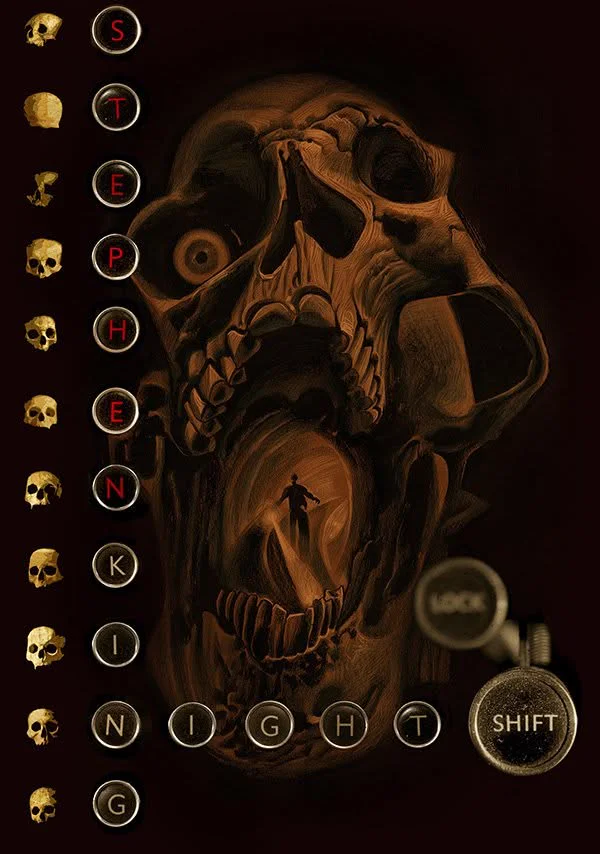
Night Shift: Stephen King Learning Horror in Public
| SUBJECT | Stephen King |
| PUBLISHED | NIGHT SHIFT (1978) |
| RUNTIME | 9:34 |
| STATUS | SORTING THE SIGNAL |
This is the book where Stephen King refined how to scare people, and it’s also where you can catch him at his worst (at least in the early years). Night Shift, his first short-story collection, came out in 1978: twenty stories that swing from genuinely great to rough apprentice work. That unevenness is the reason to read it. You get to watch King figure out horror in real time, and the failures turn out to be as instructive as the wins.

The stories that don’t quite work
“Children of the Corn,” might be the most overrated story in the collection. The premise is gold: a couple driving through Nebraska stumble into a town where the children have murdered every adult in service to a god out in the corn. Then King spends much of the story on the couple’s failing marriage instead of the horror. Burt and Vicky bicker their way through a brilliant setup, and the dread never gets room to build. The idea is unforgettable, which is why Hollywood keeps mining it, and the execution never catches up to it.
“Battleground” has the opposite trouble. A hired killer is besieged in his apartment by a box of toy soldiers that come to life, and the concept is a fun kind of absurd, but the story never commits hard enough to sell it.
“The Mangler” asks you to fear a possessed industrial laundry press, and you can feel King straining to explain why a speed ironer would develop an appetite for people. The more he explains, the less it frightens.
But none of these three stories are wasted. These are King finding the edges of what doesn’t work: the thin premise, the over-explaining, and the failure to commit to his own strangeness to name a few. Those lessons show up later as the things he stopped doing.


Where he found his voice
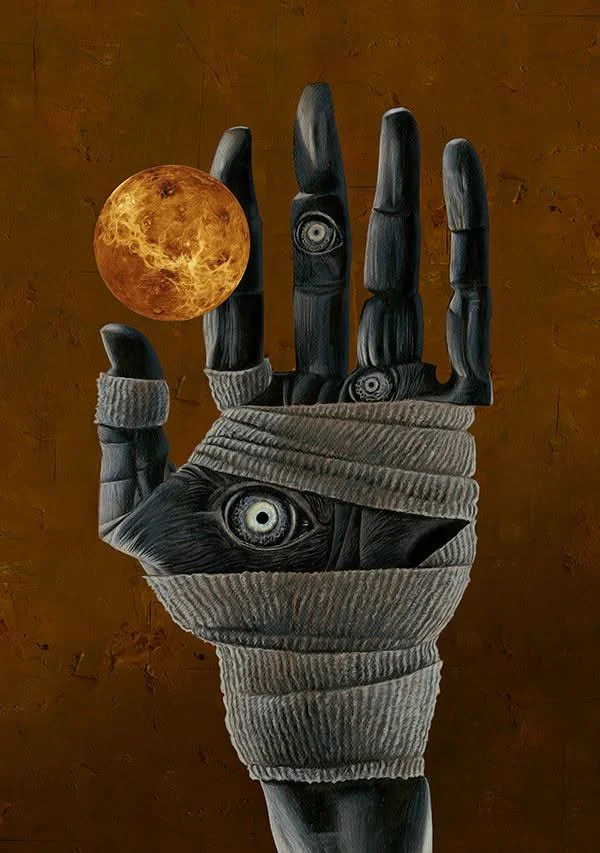
“I Am the Doorway” is the first real jolt. An astronaut comes back from space with alien eyes opening on his fingertips, and he watches, helpless, as the thing behind them uses his hands to kill. The horror is the loss of control, being trapped inside your own body while it does something monstrous, more than the creature itself. King would return to that imprisoned-consciousness idea for the rest of his career.
“The Boogeyman” runs on a twist, and it’s a cruel one. Lester Billings sits in a psychiatrist’s office and explains that a monster from the closet killed all three of his children, one after another, each found after he’d left them alone in a dark room. The ending pulls the floor out: the psychiatrist, Dr. Harper, rises and sheds the disguise, because he was the boogeyman the whole time. Billings is a cold, resentful father who kept moving each child into that room alone, and you come away feeling he handed them over as much as the creature took them.
“Sometimes They Come Back” is King learning that the past doesn’t stay buried. A teacher’s long-dead childhood tormentors walk back into his life, unchanged, and the story is basically a sketch for It and half of what came after. Childhood trauma waiting in the dark for its moment is one of King’s deepest wells, and you can watch him find it here.

Learning to stop explaining
The clearest sign of growth is what King leaves out. “The Man Who Loved Flowers” follows a young man on a warm spring evening, in love, buying flowers for his girl, and gives you only enough to understand that his grief has curdled into something murderous. There’s no psychology lecture, just the right few details, and your imagination does the rest. “Quitters, Inc.” never tells you how its stop-smoking outfit really works or who runs it. It shows the consequences climbing and lets your paranoia fill the space. That’s the lesson the whole collection is teaching him: the monster a reader builds is always worse than the one on the page.
Why it still matters
Night Shift is King learning his craft in public. Most writers get to hide their rough early work; King published his, and Hollywood has been strip-mining it ever since, because even the weak stories have strong concepts. “Children of the Corn” spawned a small franchise, and “The Mangler,” “Trucks,” and “The Lawnmower Man” all became films that couldn’t fix the stories under them. The through-line is simple: a great concept can’t save weak execution, and weak execution can’t kill a great concept.
The three rules King works out here carried him for forty years. Less is more. Ambiguity unsettles more than gore. The most frightening monsters are usually human. If you want to see how King became King, you could do worse than start here instead of The Shining or ‘Salem’s Lot, and watch him fail, adjust, and work it out.
The stories, ranked
For what it’s worth, here’s how I’d rank all twenty, best to worst, purely by how much I enjoyed reading them. This is about my own pleasure, not each story’s importance to King’s development, which is why a story I called a turning point can still sit low here.
- One for the Road
- The Boogeyman
- Strawberry Spring
- Sometimes They Come Back
- Gray Matter
- The Last Rung on the Ladder
- Graveyard Shift
- Quitter’s Inc.
- Children of the Corn
- Jerusalem’s Lot (prequel to ‘Salem’s Lot)
- The Ledge
- I am the Doorway
- Trucks
- The Man Who Loved Flowers
- Night Surf
- The Woman in the Room
- I Know What You Need
- Battleground
- The Mangler
- The Lawnmower Man
Read Night Shift yourself
Mysterious Galaxies is a Libro.fm and Bookshop.org affiliate. If you buy the audiobook or physical/digital book through the links below, the channel earns a small commission at no extra cost to you.

The Night Shift audiobook is split into three volumes on Libro.fm (yes, I agree it’s very annoying):
Volume 1: The Lawnmower Man and Other Stories from Night Shift

Volume 2: Graveyard Shift and Other Stories from Night Shift
Volume 3: Gray Matter and Other Stories from Night Shift
Where does Night Shift land among King’s 1970s books? I ranked all eight of them, worst to best, in Every Stephen King Book of the 1970s, Ranked (it placed seventh).
FAQs
What is Stephen King’s Night Shift about?
Night Shift is Stephen King’s first short-story collection, published in 1978. It gathers twenty horror stories that range from genuinely great to rough early work, and it’s where King worked out the tools that would define his career: less is more, ambiguity unsettles, and the scariest monsters are usually human. Several of the stories, including Children of the Corn, The Lawnmower Man, Trucks, and The Mangler, later became films.
Which Night Shift story is scariest?
That’s subjective, but a few stand out. “The Boogeyman” lands the collection’s nastiest gut-punch with its closet-monster twist, and “I Am the Doorway” is pure body-horror dread, a man trapped watching his own hands kill. My personal favorite in the collection is “One for the Road,” a cold, bleak return to the town from ‘Salem’s Lot, and it might be the one that sticks with you longest.
Sources
- StephenKing.com, “Night Shift” (the author’s own page for the collection)
- Dave McKean Fans’ Facebook page
SOURCE · Stephen King, Night Shift (1978). SERIES · Into the King-Verse.
Transmissions from ground control