▸ Where to start, and where to go next
How to Read Iain M. Banks’ The Culture Series
| SUBJECT | Iain M. Banks |
| PUBLISHED | THE CULTURE SERIES (1987–2012) |
| RUNTIME | 18:30 |
| STATUS | NOW BROADCASTING |
There’s no wrong way into the Culture. That’s the first thing to know, and it’s a relief once you believe it. Iain M. Banks wrote The Culture novels across twenty-five years with no master plan tying them together, and he died in 2013, of gallbladder cancer, before he could write a tenth. What we have are ten books, each built to stand on its own, readable in almost any order you like.
Almost. Where you start still matters, especially if you’re the kind of reader who bounces off a difficult book and doesn’t come back. So here are the honest ways to approach the series, and the order I’d hand a friend who has never read Banks.
Publication order, the purist’s path
The obvious move is to read them the way Banks wrote them. I did, twice, and I loved it. You watch his vision of the Culture grow in real time. The early novels are tighter and more focused on a single story; the later ones are denser and more openly philosophical, more concerned with what the Culture actually is and what it’s for. Publication order lets you trace that arc, and it’s how the first readers met the series, each book landing years after the last.
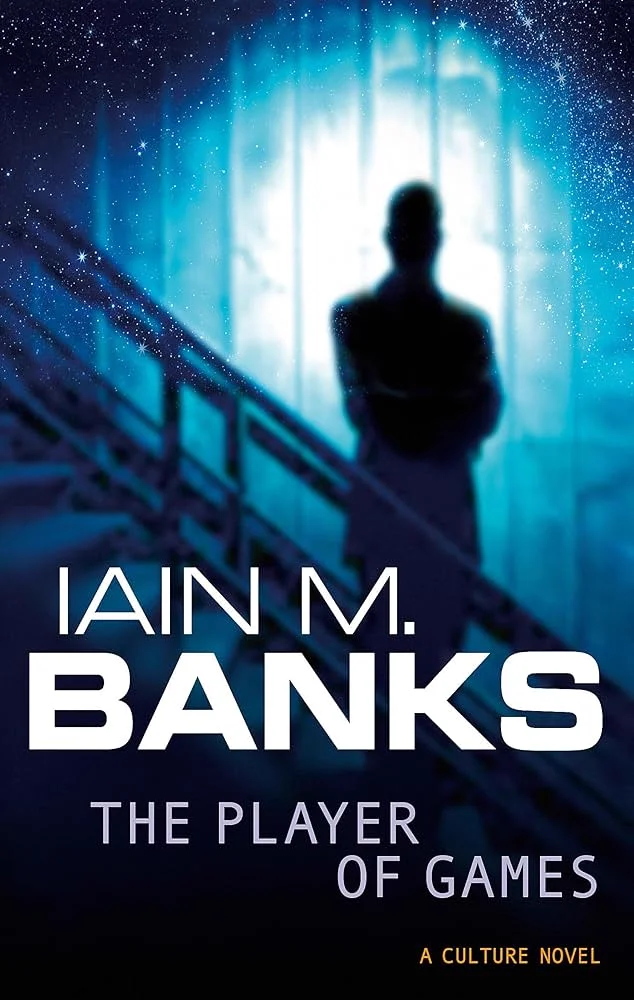
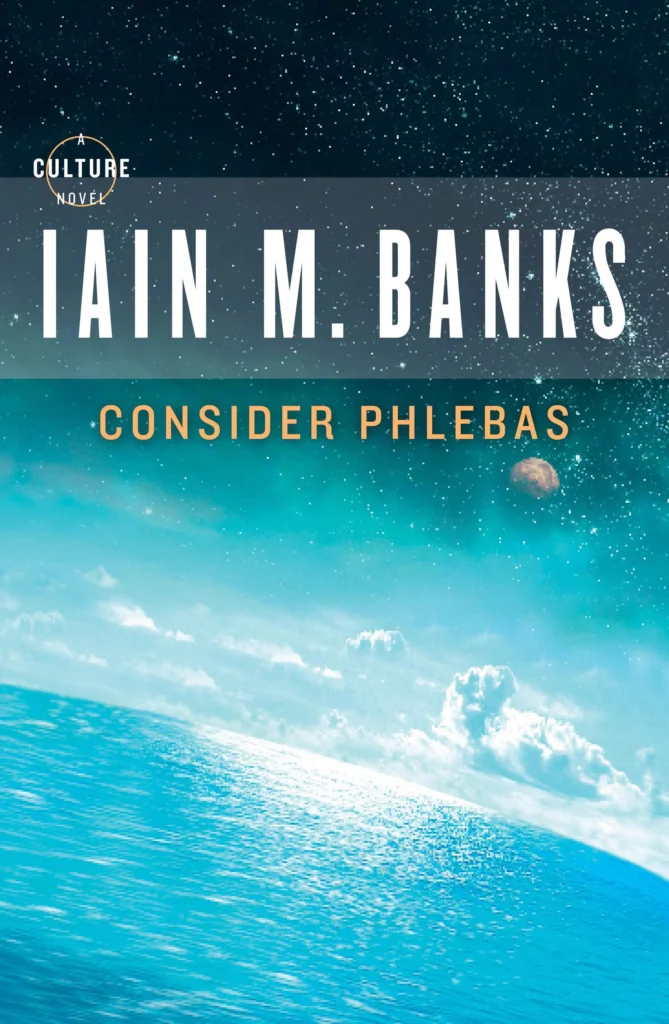
The case against it is simple, and it might be the stronger one. The first novel, Consider Phlebas, is a strange way to open the series. Its hero, Bora Horza Gobuchul, is a shape-shifting mercenary working for the Idirans, the Culture’s greatest enemy in a galaxy-spanning war. It’s a terrific adventure, though it’s rough in places, and meeting the Culture through someone who hates it throws a lot of new readers. I know two people who started there, bounced, and never went back. That’s a small tragedy, because the next book, The Player of Games, is one of the best in the series.
Reading by theme
The novels fall into loose thematic clusters, and you can build a path around whichever one pulls hardest.
There’s a war and intervention group: Consider Phlebas, Use of Weapons, and Look to Windward, with Matter close behind. These are books about what happens when the Culture’s good intentions meet the rest of the galaxy.
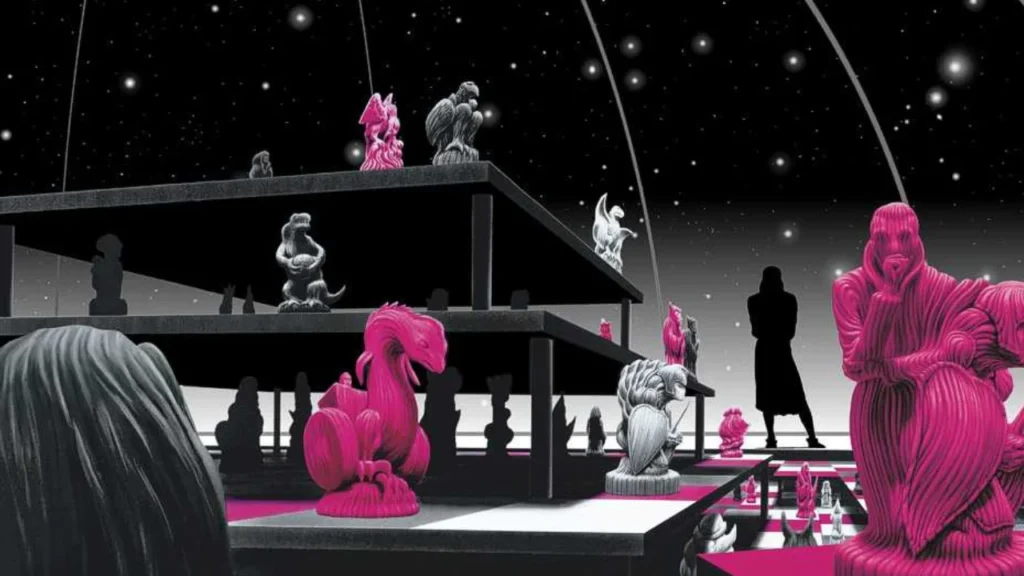
There’s a games and politics group: The Player of Games, Matter, and parts of Inversions. Civilizations built on competition, hierarchy, and ritual, and what the Culture looks like when it walks into a room like that. We also get a glimpse into what games look like in this world during a chapter of Consider Phlebas, but it’s only one small section of the story.
There’s a death and afterlife group, which is the richest of the four: Surface Detail, The Hydrogen Sonata, and Look to Windward. Surface Detail is about virtual hells, and what a civilization owes the dead it has the power to torture. The Hydrogen Sonata is about “subliming,” the Culture’s word for leaving physical existence for a higher plane, and what it means for a whole civilization to choose to go. Look to Windward is about grief, atonement, and the long aftermath of war. Read as a sequence, these three are as rewarding as the series gets.
And there’s a Minds group. The Culture’s superintelligent AI Minds run everything from the background of most books, but in Excession, they take the foreground, talking to each other, showing off their personalities and their feuds. Look to Windward and parts of The Hydrogen Sonata belong here, too.
The theme approach works well once you know what you want from the Culture. It works less well as a starting point, because you usually can’t tell which theme will hook you until you’ve read a few.

Reading by character
The series is mostly standalone, but a small cast recurs. Diziet Sma, a Special Circumstances agent and maybe the most fully drawn human in the books, appears in Use of Weapons and The State of the Art; if she grabs you, those two pair beautifully.
The Minds are characters in their own right, described as so far past human comprehension that we can’t really follow their thinking, and every Culture ship has its own humor, vanity, and grudges. The ship names alone (So Much for Subtlety, Of Course I Still Love You, Sleeper Service) are some of the best running jokes in science fiction. If you fall for the ships, Excession is your book.
Then there are the outsiders. Banks loved writing protagonists from outside the Culture, either its enemies, like Horza, or its instruments, like Cheradenine Zakalwe in Use of Weapons. Seeing the Culture from the outside is often the only way to see it clearly, which is a big part of why Consider Phlebas is still worth reading early.
A character-first order might run The Player of Games for the insider, Use of Weapons for the instrument, Consider Phlebas for the enemy, then onward by whichever type you connected with.

Reading by difficulty
The Culture spans a wider range of structural ambition than most people expect, so it helps to know what you’re walking into. Think of three rough tiers.
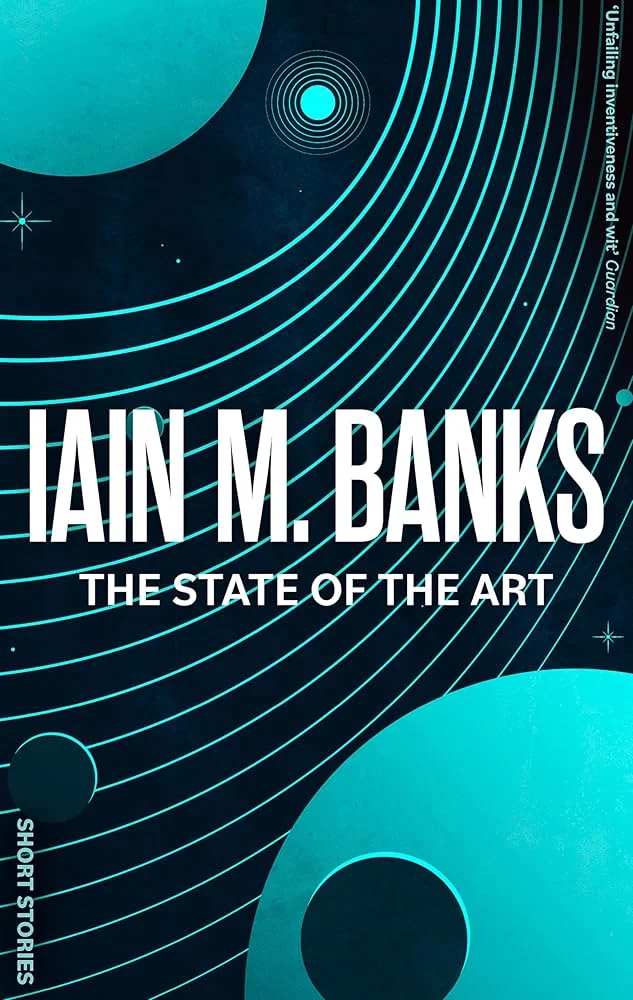
Accessible: The Player of Games and The State of the Art. Player is linear and built to show you the Culture from the inside, and it asks nothing unusual of you. The State of the Art is a collection of short, self-contained stories and an easily readable title novella.
Moderate: Consider Phlebas, Look to Windward, Surface Detail, and Matter. Longer and denser, but conventionally told. A big adventure, or weighty and linear, or a lot of moving parts, followed in a straight line.
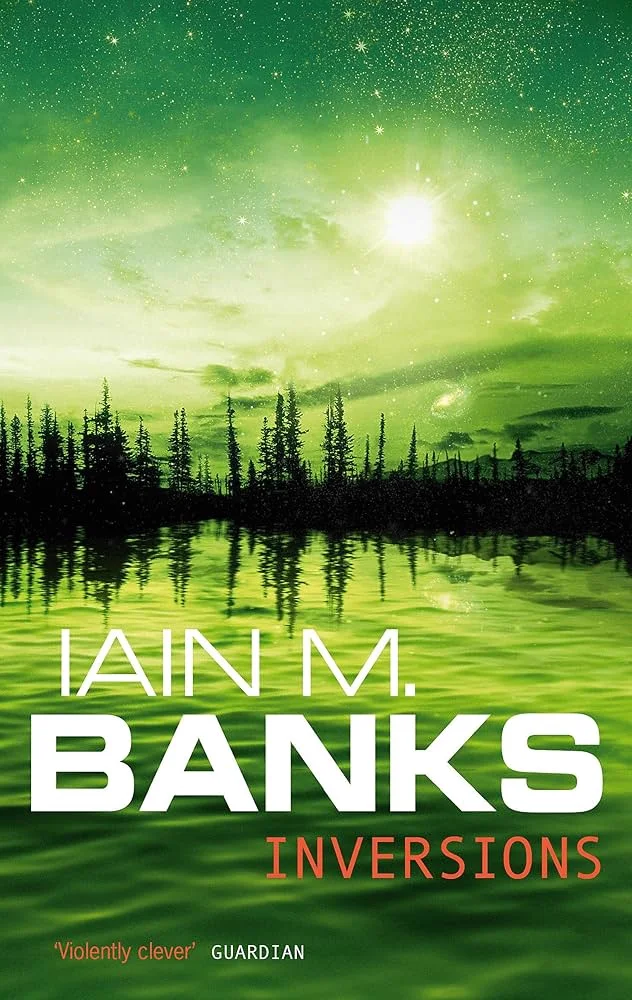
Challenging: three books that ask more. Use of Weapons runs two timelines at once, one going forward and one going backward, converging on a single revelation; go in blind, and the backward thread can disorient you. Excession spends long stretches inside the chatter of AI ships with no human anchor, which is a feature if you love AI fiction and a wall if you don’t. Inversions tells its whole story through characters who don’t know they’re in a Culture novel, and Banks never confirms what you come to understand. It only works if you’ve already read enough of the series to fill the gap yourself.




The order I’d actually recommend
Both my earlier reads were in publication order, so that’s what I recommended for years, and it’s a fine path. But it might not be the most welcoming one, so here’s what I’d hand a friend now. Notice that it starts with the second book, not the first.
- The Player of Games. Start here. It lays out Contact and Special Circumstances, the two arms of the Culture behind most of the series, and its hero, Gurgeh, is an ordinary citizen, so you see the Culture the way its people do. Clean writing, a fun plot, and moral questions that set up everything later. It’s short, too.
- Consider Phlebas. Yes, the one many rank lowest. But its war is the only conflict in the series where the Culture faces an enemy near its own strength, and it comes first chronologically, so reading it second lays the historical foundation. After Player showed you the inside, this shows you the outside, through someone who hates it.
- Excession. After two heavier books, take a breath. This might be the most fun in the series and the best introduction to the Minds. The humans are serviceable at best, but the ships, their gossip, rivalries, and conspiracies, are the stars.
- Use of Weapons. In my very first YouTube video, I think I called this my favorite science fiction novel. Two timelines, one forward, one backward, meeting at a single revelation. Zakalwe is an outsider used by Special Circumstances as a weapon, so you watch the Culture’s interventions from the hand doing the intervening. It’s both brutal and beautiful.
- The State of the Art. A story collection worth reading as a unit. The title novella has the Culture make first contact with Earth in 1977 and decide what to do about us, and it brings back Diziet Sma, giving her and Use of Weapons a quiet through-line.
- Inversions. A Culture novel whose viewpoint characters don’t know they’re in one. Two of them are clearly agents working undercover on a medieval world, but Banks never spells it out. It pairs well with The State of the Art: once you’ve watched the Culture look at Earth, you can imagine being one of the watched. A warning, though. Don’t read this first. The whole book runs on the gap between what the characters know and what you know, and without the other books, that gap collapses.
- Matter. I love the ideas here more than the book itself. The Shellworld setting is wonderful, and the intrigue is fun, though the ending divides people. It’s not weak, only outmatched by its neighbors, and it eases you back into ships and drones before the strong finish.
- Surface Detail. The first of what some readers call the Death and Afterlife trilogy. Virtual hells, what an advanced civilization owes the digital minds it tortures in simulated afterlives, and the war over the right to keep running them. Morally serious, and home to one of the best villains in the series, the tycoon Joiler Veppers.
- The Hydrogen Sonata. Banks’s last novel, about subliming and what it means for a whole civilization to leave physical existence behind for something it believes is better. After Surface Detail showed you a built afterlife, this shows you as close to a real one as the Culture’s science gets. Quieter and more contemplative, and knowing it’s his last, adds a weight the book never asked for.
- Look to Windward. Finish here. Grief, atonement, and the long shadow of the Idiran war, paired with Consider Phlebas in both title and subject. Reading it last lets you look back at the war from inside the civilization you’ve spent ten books getting to know. To me, it’s the most satisfying ending the series can have.
A few things to keep in mind
Take your time. These are dense books with intricate plots and a lot of strange names, and you don’t need to catch everything on the first read. I didn’t, and some of what I missed became a favorite detail later.
Remember, The Culture isn’t a utopia in the usual sense. It’s a society without scarcity or hierarchy, but Banks keeps probing its dark edges. What does intervention look like when you’re certain you’re right? What do you do with people who don’t want what you want for them? What does death mean when it’s optional? The novels are arguments with the Culture as much as celebrations of it, and that’s the part that lasts. It’s also why some of its loudest admirers, a few billionaires among them, miss the point so completely.
And you don’t have to follow my order. If you’re a publication-order purist, go for it. If you want to open with Excession because you love AI fiction, that’s a fine place to start. By length, by mood, by cover art, by the alphabetical order of the ship names, none of it is wrong. The books were built to be read in any order. The only real rule is that Inversions shouldn’t be first.
So pick up The Player of Games, or whichever book is calling to you, and start reading. The Culture is one of the most rewarding extended works of science fiction, and the entry fee is a few hundred pages with people and ships who think very differently from you. Welcome to the Culture.
Read The Culture yourself
Mysterious Galaxies is a Libro.fm and Bookshop.org affiliate. If you buy the audiobook or physical/digital book through the links below, the channel earns a small commission at no extra cost to you.


FAQs
Are the Culture books standalone?
Yes, all the books are separate tales set within The Culture. While there may be occasional mentions of shared concepts or characters, each novel tells a completely different story. You can easily read them as standalone experiences.
How many books are in the culture series?
There are 10 books in The Culture series by Iain M. Banks. The collection includes nine full-length science fiction novels and one anthology of short stories. Because the series is self-contained, the books do not have to be read in the order they were published.
What is the Iain Banks culture series about?
The stories revolve around “The Culture,” a post-scarcity, utopian society set in space. This advanced civilization is made up of humanoid aliens and highly advanced, superintelligent artificial intelligences (known as Minds) who live in massive artificial habitats spread throughout the Milky Way galaxy.
Is the Culture set in the Milky Way?
Yes, the Culture is set entirely within the Milky Way. While there is a brief mention in one of the books of massive ships (GSVs) heading on an expedition to the Magellanic Clouds, the primary locations, ships, and fixed orbital habitats are all located throughout our galaxy.
What is the best Iain Banks book?
For his science fiction work under the name Iain M. Banks, The Player of Games is widely regarded as one of the best in the series and the ultimate starting point. However, Use of Weapons is often hailed by hardcore fans as his absolute masterpiece due to its complex, reverse-chronological structure and morally ambiguous protagonist. If you prefer deep world-building and emotional weight, Look to Windward is a soulful look at the aftermath of a tragic war.
Sources
- Wikipedia, “Culture series” (the novels, their publication span, and their standalone structure)
- Wikipedia, “Iain Banks” (biography and bibliography)
- CNN, “Author Iain Banks dies ahead of cancer-themed final novel’s release” (his death in June 2013 from gallbladder cancer)
- Little, Brown, “An update regarding The Culture: Notes and Drawings by Iain M. Banks and Ken MacLeod” (Banks’s archival Culture notes and drawings, with Ken MacLeod)
SOURCE · Iain M. Banks, The Culture series (1987–2012). SERIES · The Culture.
Transmissions from ground control