▸ A repair crew, a ship that vanished twenty years ago, and the dead who won't stay gone
Dead Silence by S.A. Barnes: A Great Space Horror That Explains Away Its Own Ghosts
| SUBJECT | S.A. Barnes |
| PUBLISHED | DEAD SILENCE (PUBLISHED 2022) |
| RUNTIME | 5:58 |
| STATUS | DERELICT ABOARD |
Dead Silence is S.A. Barnes‘ 2022 deep-space horror novel, and for about half its length it’s the real thing: a haunted-ship story good enough to sit near the films that made this genre. Then it explains itself, and the fear leaks out. The gap between those two halves is what I want to talk about.
Science fiction and horror have always belonged together, at least on screen. Alien is my favorite science fiction movie, while simultaneously being my favorite horror movie. Event Horizon turned a rescue mission into a haunted house with the airlocks sealed. Games understood it early, too, from the original Doom to Dead Space, Prey, and Alien: Isolation. Deep space is a perfect place to be afraid, because there’s nowhere to run and no one close enough to hear you.
On the page, that combination is rarer, and Barnes has built a career filling the gap, writing horror under this pen name while publishing young-adult fiction as Stacey Kade. For the record, this is not the 2007 film with the killer ventriloquist dummy. Same title, different nightmare. Dead Silence was her breakout, and the question I came in with was simple: does she land the blend, or does the horror give way?
The setup: a repair crew and a ship that came back
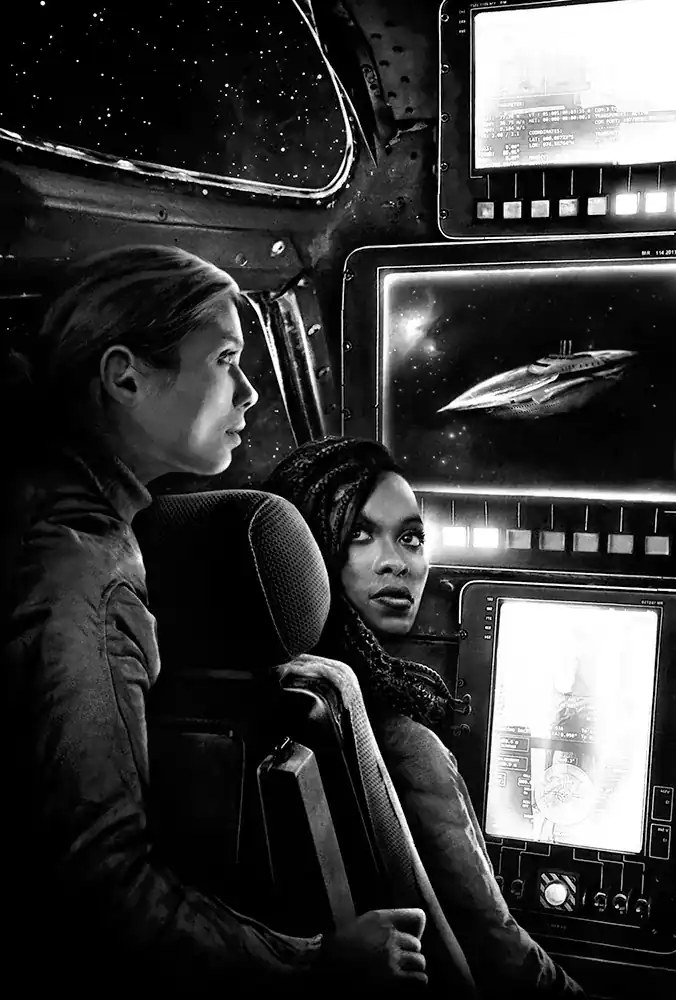
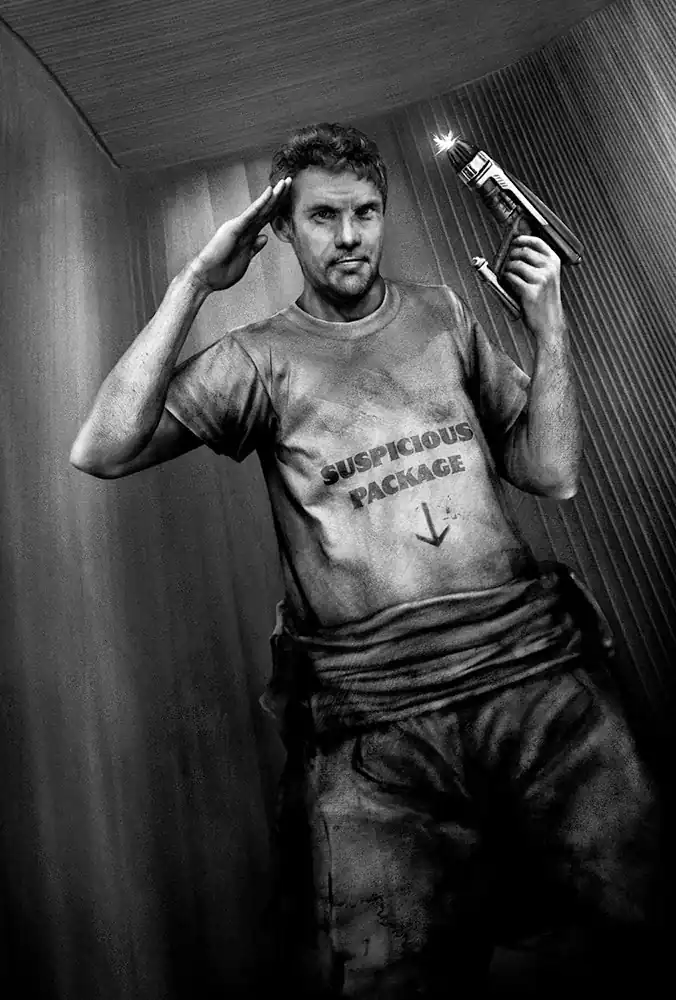
The year is 2149. Claire Kovalik runs a small maintenance crew that services communications satellites out at the edge of the settled system, unglamorous work that’s weeks away from being handed off to autonomous machines.
Claire is a hard person to sit inside of. She’s the sole survivor of a disaster that killed the colony she grew up on, and she’s been carrying the dead around ever since. On what should be their last run together, the crew catches a distress signal from a stretch of space where nothing should be broadcasting.
The signal leads them to the Aurora, a luxury liner that disappeared on its maiden voyage twenty years earlier. A find like that carries salvage rights big enough to change all their lives, so they board. Barnes frames that decision as the mistake it is, and then lets them make it anyway.
What the first half gets right
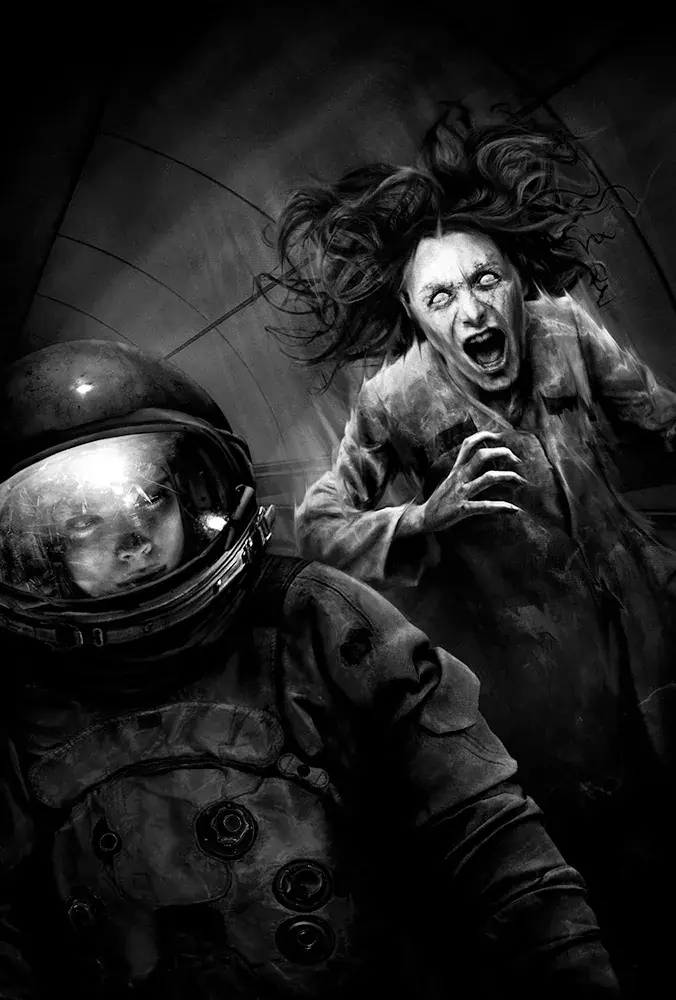
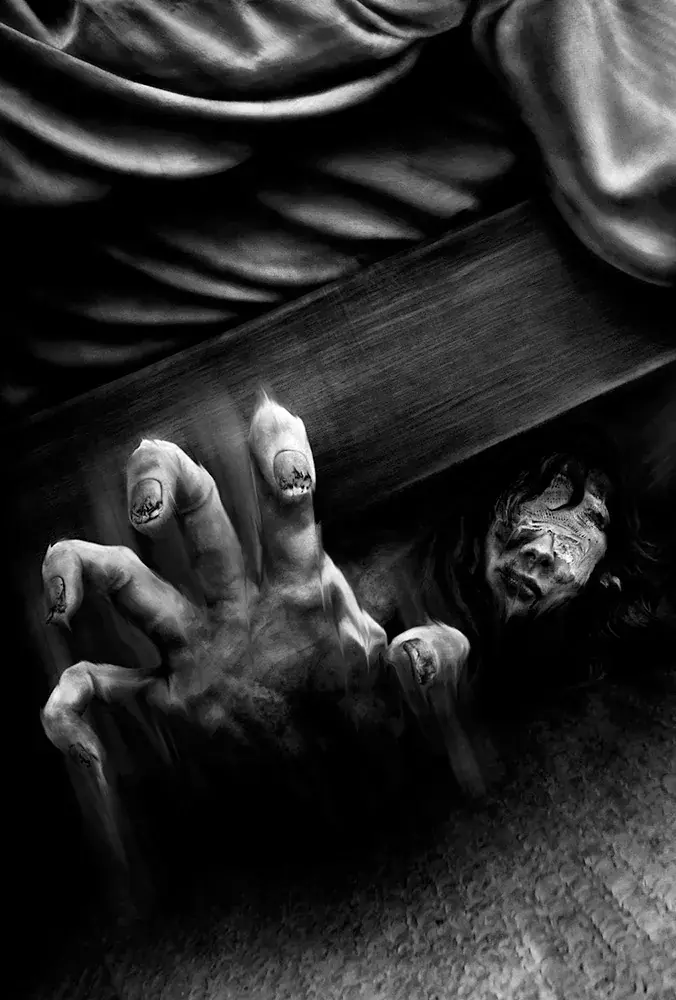
For the next stretch, Barnes works at full strength. The horror is patient and physical. The crew moves through a frozen, opulent ship, reading the aftermath of something none of them can name. The strongest material is the recovered footage, recordings the passengers left behind before the end, and they’re genuinely hard to read, because they describe to you just enough and trust you to supply the rest. The Aurora is full of the dead, and the dead don’t stay where they were left.
This is the book the cover promises, and for a hundred pages it delivers. The scares don’t lean on cheap shocks. They build genuine tension throughout. You keep reading the way the crew keeps opening doors, because you want to know what’s in the next room, even though you already know you won’t like it.
The crew helps. They bicker and joke the way people do when they’re scared and won’t admit it, and Barnes gives them enough texture that you don’t want to watch them get picked off one by one.


Spoilers ahead: what happens when the ship stops being haunted
The rest of this piece discusses how the book ends, including the explanation behind the haunting. If you want to stay unspoiled, skip down to “Why it’s still worth reading.”
Dead Silence is built as a frame story. Everything aboard the Aurora is a flashback, told by Claire after the fact to security officers working for the corporation that owns the wreck. The book cuts between the ship and Claire back home, held in what looks a lot like a high-security psychiatric ward while the company decides what she is. Around the two-hundred-page mark, the weight shifts from the ship to those Earth-side scenes, and the shift costs the book most of what it had built.
The haunted-liner chapters run on dread. The interrogation chapters run on plot, and it’s ordinary thriller plot: a company with something to hide, an interrogator you’re not meant to trust, and a clock counting down. All the tension Barnes spent half a book winding tight goes slack, because you’ve left the haunted ship for a conference room.
Then comes the explanation, and it tries to have things both ways. Claire really can see the dead. She has been able to since the colony died around her. But the horror aboard the Aurora turns out to have a mechanical cause: a low vibration running through the hull at a frequency that makes everyone aboard hallucinate the same ghosts. The haunting was hardware the entire time. Every terrified mind on the ship translated a malfunction into the shape of the dead.
I don’t hate the rational answer (I kind of do, but I don’t at the same time if that makes sense). A scientific cause for a haunting can be its own kind of horror, and Barnes clearly wanted that ambiguity. What the twist does to Claire is the trouble. Her ability to see actual ghosts is the strangest and best idea in the whole book, and once the Aurora becomes a frequency rather than a curse, that gift has nowhere left to go. Barnes introduces the one truly supernatural thing in her universe and then spends the ending on machinery.
The hallucinations themselves are vivid, some of the best images in the book, which makes it stranger that the story hands them a maintenance-log explanation and moves on.
And then there’s the corporation. Of course, the missing ship traces back to a company. Of course, the company was building a weapon. Evil corporations are to science fiction what dark lords are to fantasy: a ready-made thing for the heroes to push against, and about as one-dimensional. Dead Silence reaches for that shape at the exact moment it needed something stranger, and the climax goes flat. After a hundred pages of a ship that felt genuinely wrong, the answer is a boardroom and a cover-up.
Why the explanation kills the fear
Horror lives in the space between what you see and what you can prove. The first half of Dead Silence holds that space open. You feel the ship is haunted, the book never quite confirms it, and your imagination does the heavy lifting. The ending closes the space. Once you’re told the exact cause, a frequency and a corporate scheme, there’s nothing left for your mind to fill in, and a ghost that has been fully explained stops being frightening. Barnes has the atmosphere and the craft to scare you. The book just won’t trust the reader to stay scared without a defined answer.
Why it’s still worth reading
With all of that said, I’d still hand this to anyone hungry for deep-space horror, because good written science fiction horror is scarce, and the first half of this one is well done. The early chapters have a real pull. I kept turning pages to find out what the crew would stumble into next, and Barnes built a fantastic haunted house (even if she burned it down in the second half). If you can make peace with a final act that trades dread for thriller, there’s plenty here worth your time.

Final thoughts
Before I let it go, there’s a line on the back cover I have to answer. Lisa Shearin writes that she’d always considered Alien the high mark of science fiction horror, and that Dead Silence “leaves it in the dust.” Respectfully, no. Nothing here unseats Alien, and setting the bar that high does the book no favors, since it invites the one comparison it can’t survive.
Dead Silence opens as a first-rate deep-space ghost story and loses its footing in the back half. Barnes has a real gift for atmosphere and tension, and she lets the thread slip the moment the ship gives up its secrets. It’s still a ride worth taking, even if the destination isn’t the one those first chapters promised. As for me, I think I’ll go reinstall Dead Space.
Dead Silence is also a good example of why I don’t rate books out of five. A single number would have to average that first-rate opening against the back-half stumble, and the average is the one thing that tells you nothing useful. What you actually need is both halves named separately, which is the case I make in why star ratings are broken.
Have you read Dead Silence? Did the scientific explanation work for you, or did it let the air out the way it did for me? Tell me in the comments.
Read or hear Dead Silence yourself
Mysterious Galaxies is a Libro.fm and Bookshop.org affiliate. If you buy the audiobook or the physical book through the links below, the channel earns a small commission at no extra cost to you.


FAQs
What is Dead Silence about?
Dead Silence is a 2022 science fiction horror novel by S.A. Barnes. In the year 2149, Claire Kovalik leads a small satellite-repair crew that picks up a distress signal and traces it to the Aurora, a luxury liner that vanished on its maiden voyage twenty years earlier. They board for the salvage rights and find the ship full of the dead. The story is told as a frame narrative, with Claire recounting what happened to corporate security after her rescue.
Who is S.A. Barnes?
S.A. Barnes is the horror pen name of American author Stacey Kade, who also writes young-adult fiction under her own name. As Barnes she writes deep-space horror published by Tor Nightfire, including Dead Silence (2022), Ghost Station (2024), and Cold Eternity (2025).
Is Dead Silence scary?
The first half is, and it’s very effective. Barnes builds an unsettling, patient atmosphere aboard the derelict ship, with recovered passenger footage that lands better than most jump scares. The back half trades that dread for a more conventional thriller, so how frightening you find the book overall depends on how much the ending’s explanations deflate it for you.
What is the Aurora in Dead Silence?
The Aurora is a luxury passenger liner that disappeared on its maiden voyage twenty years before the novel opens. Claire’s crew finds it drifting far from any shipping lane, and the potential salvage rights are what convince them to board. What they discover aboard drives the rest of the story.
Does Dead Silence have a supernatural or a scientific explanation?
Both, and that is part of what the book wrestles with. This answer includes a mild spoiler. Claire genuinely can see the dead, an ability she’s had since childhood, but the horror aboard the Aurora is given a scientific cause: a vibration in the hull that makes the whole crew hallucinate the same ghosts. Some readers find the rational explanation clever; others feel it undercuts the supernatural angle the story spent so long building.
Is Dead Silence like Alien or Event Horizon?
It shares their DNA. A small crew, a haunted derelict, and the crushing isolation of deep space all put it in conversation with Alien and Event Horizon, and the book openly wants that company. The first half earns the comparison. Whether it holds up against those films across its full length is a fair thing to argue about.
Is Dead Silence part of a series?
No. Dead Silence is a standalone novel. S.A. Barnes has written other space-horror books, Ghost Station and Cold Eternity, but they are separate stories rather than sequels.
Is the novel related to the 2007 Dead Silence movie?
No. The 2007 film Dead Silence, about a haunted ventriloquist dummy, has no connection to S.A. Barnes’s novel. They only share a title.
Is Dead Silence worth reading?
For fans of space horror, yes, with a caveat. The first half is some of the best written science fiction horror around, and that alone makes it worth picking up. The back half shifts into a more familiar corporate thriller and loses much of the tension. If you can accept an uneven second act, there’s a lot to enjoy.
What should I read or play if I liked Dead Silence?
For the same deep-space dread, the films Alien and Event Horizon are the obvious touchstones, and the games Dead Space, Prey, and Alien: Isolation chase the same feeling. If you want more of Barnes specifically, Ghost Station and Cold Eternity stay in the haunted-spacecraft lane.
Sources
- S.A. Barnes, Wikipedia (the Stacey Kade pen name, the Tor Nightfire bibliography, and the 2022 publication of Dead Silence)
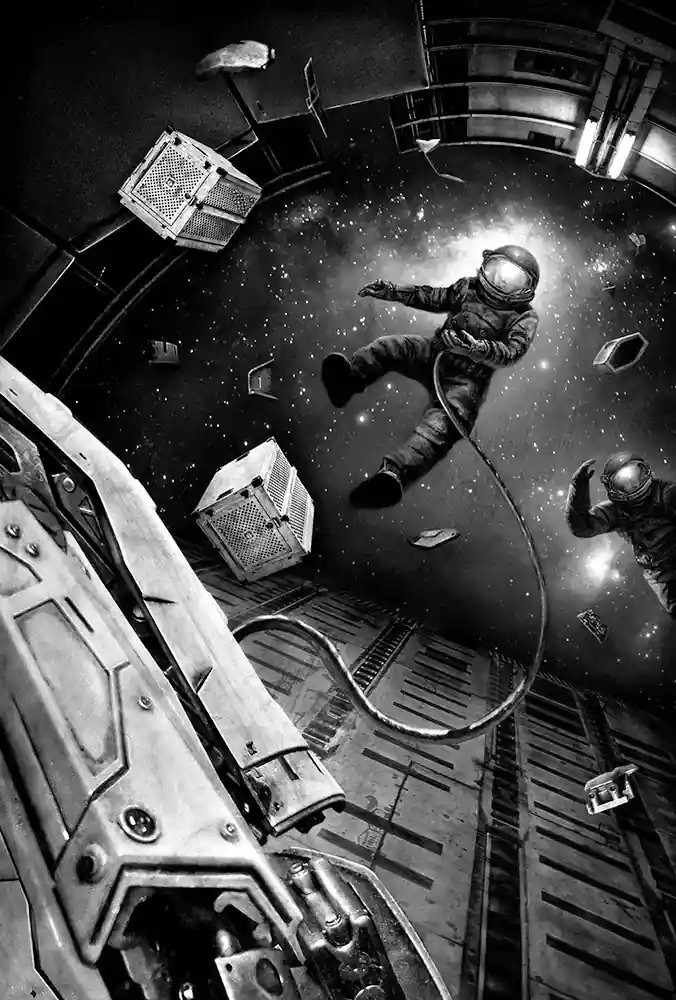
- Dead Silence limited edition, Lividian Publications (the illustrated edition and the interior and cover artwork by Vincent Chong shown on this page)
SOURCE · S.A. Barnes, Dead Silence (published 2022).
Transmissions from ground control